Miter Saw vs. Circular Saw: How to Choose the One for You

Welcome to the ultimate showdown in the DIY arena, where the miter saw and circular saw go blade-to-blade in a contest of cutting supremacy. Whether you’re a seasoned woodworker or a weekend warrior, knowing which saw to wield can mean the difference between an amateur attempt and a masterpiece.
In this comprehensive guide, we’ll slice through the confusion, compare the precision of miter saws with the versatility of circular saws, and lay out the scenarios where each one shines. So, strap on your safety goggles, and let’s dive into the world of angular accuracy and straight-line prowess. It’s time to cut to the chase and discover which saw will make the cut for your next project!
The Basics of Miter Saws and Their Uses
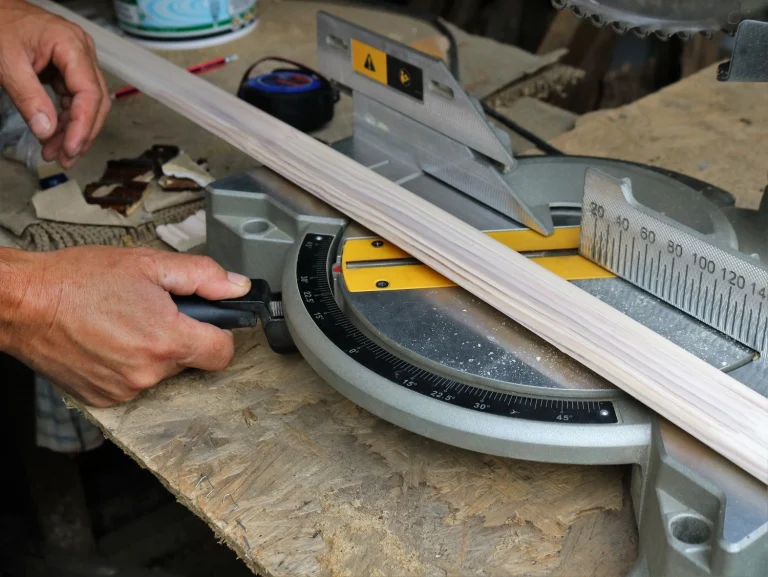
Imagine you’re crafting a beautiful picture frame, and every corner needs that snug, perfect 45-degree angle. That’s where the miter saw shines like a knight in shining armor. It’s not just about straight cuts; it’s about making those cuts at the right angle, every single time. Whether you’re framing art, building a birdhouse, or installing baseboards, the miter saw is your go-to for cuts that need to meet more precisely than guests at a royal wedding.
Exploring the Various Types of Miter Saws (Single Bevel, Double Bevel, Sliding Compound)
Now, let’s dive a bit deeper into the miter saw pool. The single bevel compound miter saw is like your reliable one-way street—it makes angled bevel cuts in one direction, so you may have to flip your workpiece to get angles on both sides. The double bevel miter saw is your two-way road, allowing you to make those beveled cuts in both directions without flipping your workpiece—talk about a time saver! And the sliding miter saw? It’s like having an extra lane on the highway, providing you with the ability to push the blade forward and backward, giving you more cut length for wider pieces of material. It’s the stretch limo of miter saws, if you will.
Miter Saw Blade Sizes and What They Mean for Your Projects
Choosing the right blade size for your miter saw is like picking the right guitar for a concert—size matters. With blades typically ranging from 8 inches (great for detailed, smaller projects) to 12 inches (ideal for the big gigs like cutting thick lumber), you’ve got options. The larger the blade, the deeper and wider its cut, allowing you to tackle larger pieces of material with ease. It’s like having the right key for every lock.
Advantages and Limitations of Miter Saws
Miter saws are the royalty of precision cuts, but they’re not the commoners of the tool world. They prefer to stay put in your workshop, unlike circular saws that can hit the road with you. They’re fantastic for what they do—making precise cuts at a variety of angles—but they won’t replace your general-purpose saws. They’re a bit like a specialized chef in a gourmet kitchen: unbeatable in their niche, but you wouldn’t ask them to flip burgers.
FAQs for Miter Saws
What safety precautions should I take when using a miter saw?
Safety is paramount when using any power tool, especially a miter saw. Here are some key safety tips:
- Wear Protective Gear: Always use safety glasses to protect your eyes from flying debris, ear protection to guard against noise, and a dust mask to prevent inhalation of sawdust.
- Secure the Workpiece: Use clamps to hold the material firmly against the fence of the saw, ensuring it doesn’t move while cutting.
- Keep Your Hands Safe: Never place your hands too close to the blade. Most miter saws have a marked safety zone on the base.
- Wait for the Blade to Stop: After making a cut, release the switch and wait for the blade to come to a complete stop before lifting the saw or removing the workpiece.
- Maintain Your Saw: Regularly check the saw for any loose components and ensure the blade is sharp and properly installed.
Can I use a miter saw to cut materials other than wood?
While miter saws are primarily designed for wood, they can cut other materials with the appropriate blade. For instance:
- Aluminum and Non-Ferrous Metals: Use a blade specifically designed for metal. These blades have more teeth and are made of tougher materials.
- Plastics: Use a blade with a high tooth count for a smoother cut and to reduce the risk of melting the plastic. Always refer to the saw and blade manufacturer’s guidelines before cutting non-wood materials for safety and efficiency.
How do I choose between a sliding and a non-sliding miter saw?
The choice between a sliding and non-sliding miter saw depends on the size of the material you plan to cut:
- Non-Sliding Miter Saw: Ideal for smaller projects where the maximum cut width is not an issue. They are typically lighter and more portable.
- Sliding Miter Saw: Features rails that allow the blade to move forward and backward, increasing the cut length. This is essential for cutting wider pieces of material, such as large boards or panels. Consider the types of projects you undertake most often and whether the additional cost of a sliding miter saw is justified by the need to cut wider materials.
Mastering Circular Saws: Capabilities, Varieties, and Choosing the Right One
Circular Saw Fundamentals and Applications
Let’s talk about the circular saw, the trusty steed of the power tool world. It’s like the pickup truck of saws—versatile, rugged, and indispensable for a DIY enthusiast. Whether you’re slicing through 2x4s for that deck project or trimming down plywood to size for a custom bookshelf, the circular saw is your go-to buddy. It’s not just about wood, though. Fit it with the right blade—a diamond blade for masonry or a metal-cutting blade—and it’ll chew through tile, concrete, or steel like a hot knife through butter.
Differentiating Types of Circular Saws (Standard, Worm Drive, Compact, Track Saw)
Now, let’s break down the circular saw lineup. The standard circular saw is your everyday, all-rounder tool—lightweight and perfect for a variety of cuts. The worm drive saw, with its motor at the rear, offers more torque and a longer, straighter cut, making it a favorite for heavy-duty work. It’s the muscle car in the saw world. Then there’s the compact circular saw, the city-smart car, great for when you’re working in tight spaces or up on a ladder. And the track saw? It’s the luxury sedan with GPS—designed for precision, it glides along a track to give you the straightest cuts imaginable, perfect for fine woodworking where accuracy is key.
Circular Saw Blades and Sizes: A Guide
Choosing a blade for your circular saw is like picking the right outfit for an occasion. The blade sizes typically range from 5-1/2 inches, ideal for light, handheld work, up to 7-1/4 inches for the more heavy-duty tasks. And the teeth? They come in all shapes and sizes. A blade with a high tooth count delivers a cleaner cut, perfect for materials that are prone to splintering, while a low tooth count rips through material at a faster pace, leaving a rougher finish. It’s all about matching the blade to the job—if you’re cutting veneer, you don’t want to dress your saw in a blade suited for demolition work.
Pros and Cons of Circular Saws
Circular saws are the multitaskers of the tool world, ready to tackle a plethora of projects. They’re portable, easy to handle, and with the right blade, can cut through just about anything. However, they’re not the Michelangelos of the saw family. If you’re looking to create intricate, detailed work or need the finesse of a miter or scroll saw, the circular saw might feel a bit like using a sledgehammer to crack a nut. They’re about speed and efficiency, not the fine art of delicate cuts.
FAQs for Circular Saws
Can a circular saw be used for fine woodworking projects?
While circular saws are typically associated with rough cuts and construction work, with the right blade and a steady hand, they can indeed be used for finer woodworking projects. For fine cuts:
- Choose a Blade with a Higher Tooth Count: This results in smoother cuts with less tear-out.
- Use a Guide Rail: This ensures straight, precise cuts, which is crucial in fine woodworking.
- Maintain a Firm Grip: Keep the saw steady to enhance control over the cut quality.
However, for intricate precision work, a table saw or a miter saw might be more suitable.
How do I maintain my circular saw to ensure it operates efficiently?
Proper maintenance is key to the longevity and efficiency of your circular saw. Here are some maintenance tips:
- Clean After Use: Remove sawdust and debris from the saw’s housing and vents.
- Check the Blade: Ensure it’s sharp and free of damage. Dull blades make inefficient cuts and can be dangerous.
- Inspect the Cord: For corded models, check for frays or damage to prevent electrical hazards.
- Lubricate Moving Parts: Apply lubricant to the blade axle and any other moving parts to keep them running smoothly.
- Tighten Fasteners: Regularly check that all bolts and screws are tight to prevent any wobbling or instability.
What’s the difference between a sidewinder circular saw and a worm drive circular saw?
The main difference lies in the motor placement and torque delivery:
- Sidewinder Circular Saws (Direct Drive): These have the motor mounted alongside the blade, making them lighter and more compact. They’re well-suited for most general cutting tasks and are easier to handle, especially for overhead work or cutting at an angle.
- Worm Drive Circular Saws: These have the motor at the rear, using gears to increase the torque delivered to the blade. This makes them heavier but also more powerful, ideal for heavy-duty cutting tasks and long, straight cuts. They also feature a left-mounted blade, giving right-handed users a clear view of the cut line.
Choose based on the type of work you do most often and your preference for saw balance and weight.
In-Depth Comparison: Miter Saw Versus Circular Saw for Your Projects
Key Differences: Precision, Cut Types, and Suitability for Tasks
When you’re weighing the merits of a miter saw against those of a circular saw, think of it as choosing between a scalpel and a Swiss Army knife. The miter saw is your precision instrument, designed to make clean, exact, compound cuts at a variety of angles—perfect for when you need that trim to fit just so. It’s the tool you reach for when the details matter, when every fraction of an inch is accounted for, and when the angles have to be so precise, they could pass a geometry test with flying colors.
On the other hand, the circular saw is your all-rounder, ready to adapt to a multitude of tasks. It’s less about the perfect angle and more about the freedom to cut anywhere, anytime. Need to chop up some lumber on-site? The circular saw is your trusty companion, ready to go wherever the job takes you. It’s about getting things done efficiently, even if that means sacrificing a bit of the miter saw’s laser-like precision.
Space, Portability, and Versatility Considerations
Space is a luxury, and in a cramped workshop, the compact nature of a circular saw can be a godsend. It’s the tool that fits into your workflow, requiring minimal setup. Plus, it’s portable enough to throw in the back of your car and take to a job site or a friend’s house for a quick DIY assist.
Conversely, a miter saw is more of a homebody. It likes its own space and isn’t keen on travel. If you’ve got the room to give it a permanent spot where it can shine, it’ll pay you back in dividends with its ability to make those precise cuts that can take your projects from DIY to professional-grade.
Cost Analysis: Investment and Value for Money
Miter saws are typically a bigger investment upfront. They’re specialized tools that offer something no other saw can—precision at angles. If your projects frequently include moldings, frames, or anything with miters, the investment in a miter saw is justified. It’s a bit like buying a high-quality chef’s knife—pricey, but indispensable for certain tasks.
Circular saws, meanwhile, are more of a jack-of-all-trades tool. They’re generally more affordable and offer a versatility that can’t be beaten. If you’re starting out and need to be budget-conscious, a circular saw gives you the flexibility to tackle a wide range of projects without breaking the bank.
Decision-Making: Which Saw Meets Your Specific Needs?
Choosing between these two saws comes down to the nature of your projects. Are you a detail-oriented crafter who thrives on creating intricate and precise work? The miter saw is your best bet. Or are you a pragmatic DIYer who values versatility and the ability to make cuts on a variety of materials and in different environments? Then the circular saw is calling your name.
Practical Insights: When to Use Which Saw and How to Make the Right Cut
Specific Scenarios for Optimal Use of Miter and Circular Saws
The miter saw is your go-to when precision is key. Picture this: you’re creating a stunning photo frame from scratch. You’ll need those 45-degree angles to be sharp and accurate, and that’s where the miter saw excels. It’s also your best friend for fitting crown molding or baseboards, where every angle needs to match up for that seamless look.
Now, let’s talk decks and plywood. If you’re building a deck, you’re dealing with long, straight cuts, and that’s where the circular saw comes into its element. It’s the tool for the job when you’re cutting down large sheets of plywood or any other sheet material. It’s fast, it’s efficient, and it’s portable, making it a staple in any builder’s toolkit.
Can Circular Saws Achieve Miter Cuts and Vice Versa?
Sure, a circular saw can be nudged into making a miter cut in a pinch. But it’s a bit like using a smartphone for a hammer—an inventive use, but far from ideal. You might get the job done, but it’s not going to have the finesse and accuracy that a miter saw would provide. Conversely, while a miter saw can make straight cuts, it’s like using a sports car for off-roading—possible, but far from practical. It’s designed for precision, not length.
Tips for Maximizing Efficiency and Safety with Each Saw Type
When it comes to using these saws, here are a few nuggets of wisdom:
- For Miter Saws:
- Secure your workpiece: Always clamp down the wood you’re cutting. A stable workpiece is essential for a clean cut.
- Mind the gap: Ensure there’s no gap between the fence and the blade to avoid any wood pieces getting caught.
- Use stops for repetitive cuts: If you’re making multiple cuts of the same length, set up a stop to save time and ensure consistency.
- For Circular Saws:
- Support your boards: When cutting large sheets, make sure they’re fully supported so they don’t sag or break off prematurely.
- Follow the line: Mark your cut line clearly and use a guide rail or a straight edge to keep your cuts laser straight.
- Check blade depth: Set the blade depth so it’s just below the material you’re cutting to minimize kickback and blade exposure.
In both cases, let the tool do the work. Forcing the saw can lead to burns on the material or worse, a dangerous kickback. Keep your movements steady and controlled. And remember, the only rush we’re interested in is the one you get from a job well done—not from a trip to the emergency room.
Final Recommendations
In the end, the choice between a miter saw and a circular saw comes down to the specific needs of your project. If you’re doing fine, detailed work or need precise angled cuts, the miter saw is your hero. For general construction, breaking down materials, or when you need the convenience of portability, the circular saw is your loyal companion. But who says you have to choose? If you’re serious about your DIY or construction work, why not play it smart and add both to your arsenal? After all, having the right tool for the job is half the battle won.