Hammer Drill vs Regular Drill – How Do You Decide?

Are you looking for the right tool to tackle your next DIY project? With so many options out there, it can be overwhelming to choose the right one for the job. One of the most common questions people ask is the difference between a regular drill and a hammer drill. While they may seem similar, these tools have unique features that make them suitable for specific tasks. Understanding the differences can help you make an informed decision and save you time and money. In this article, we’ll explore the characteristics of each tool, their advantages and disadvantages, and when to use them. So, whether you’re a DIY enthusiast or a professional, keep reading to discover the difference between a hammer drill and a regular drill.
What is a Regular Drill?
Definition
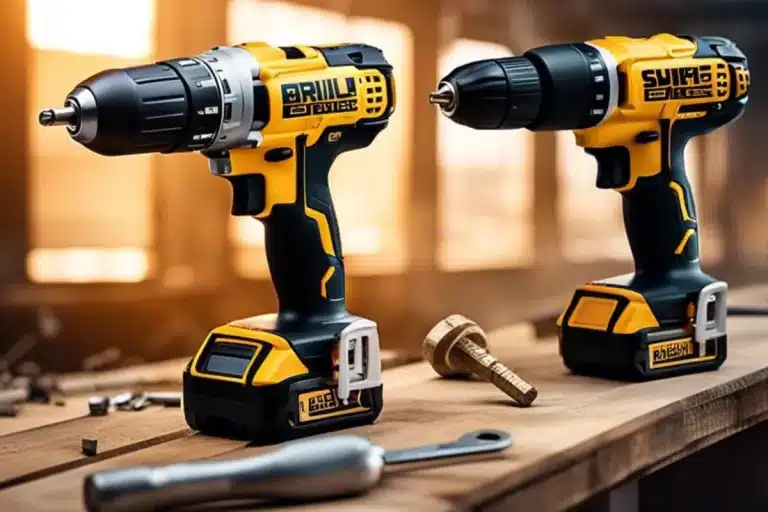
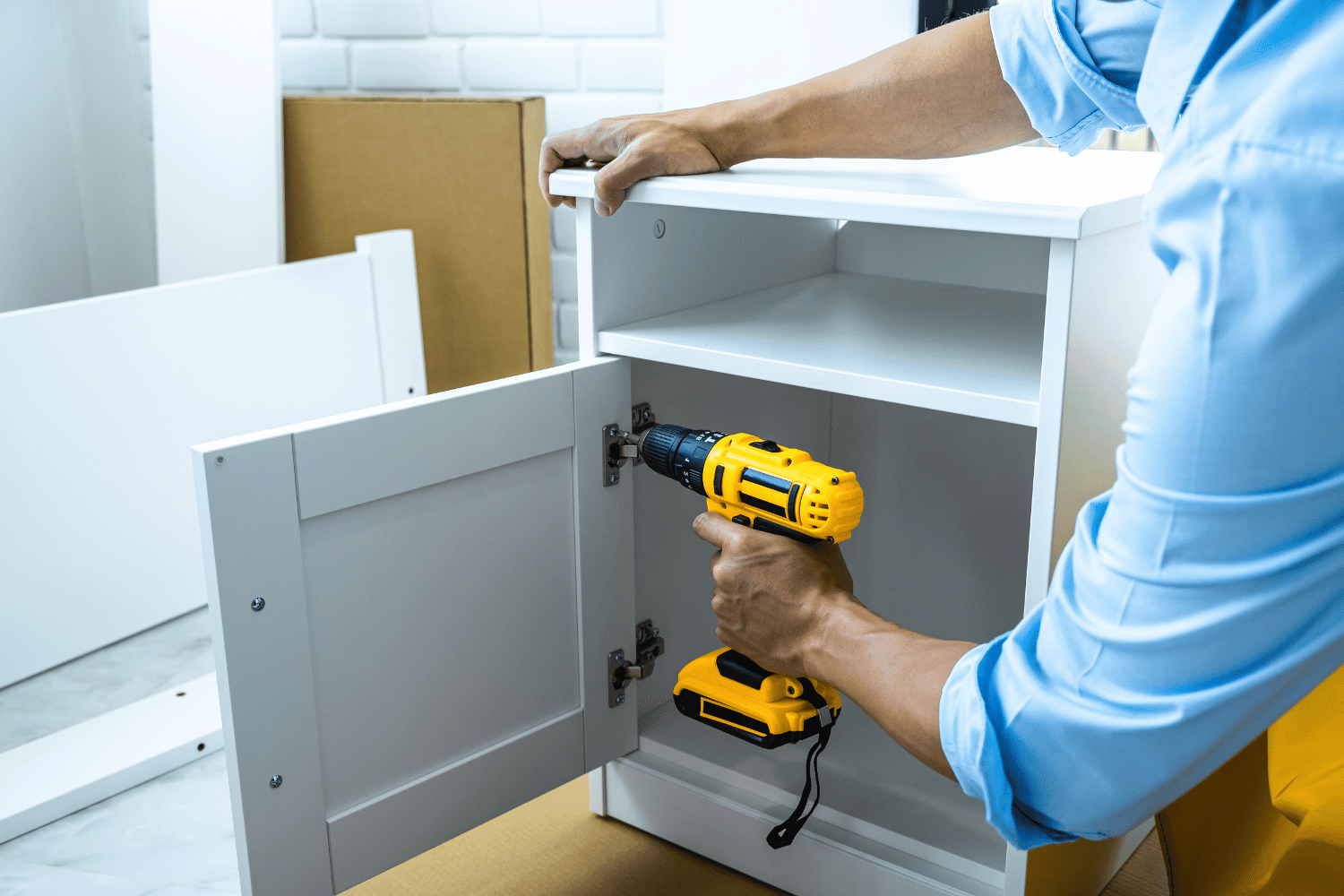
A regular drill, also known as a drill driver, is a versatile power tool used for drilling holes and driving screws. It is a handheld tool that uses a motor to spin the drill bit or screwdriver attachment. Regular drills are available in both corded and cordless versions, making them a popular choice for DIYers and professionals alike.
Functionality
A regular drill works by rotating a drill bit or screwdriver attachment at a high speed. This rotation allows the bit or attachment to bore through various materials such as wood, metal, plastic, and more. Regular drills come with various speed settings, enabling you to adjust the rotation speed of drill bits based on the type of material you’re working with.
Types
Regular drills come in several types, including:
- Corded drill: Corded drills use a cord to connect to a power source, providing uninterrupted power for longer periods.
- Cordless drill: Cordless drills operate on rechargeable batteries, making them more portable and convenient to use.
- Right-angle drill: Right-angle drills have a 90-degree angle and are suitable for drilling in tight spaces.
Advantages and Disadvantages
Regular drills offer several advantages, including:
- Versatility: Regular drills can handle a wide range of tasks, including drilling, driving screws, and more.
- Ease of use: They are straightforward to operate and don’t require extensive training or experience.
- Affordability: Regular drills are relatively inexpensive compared to other power tools.
However, they also have some disadvantages, such as:
- Limited power: Regular drills are not as powerful as other types of drills, making them unsuitable for heavy-duty tasks.
- Limited precision: They may not be precise enough for delicate tasks that require accuracy.
Overall, regular drills are a reliable tool for most DIY and home improvement projects. However, if you’re looking for a tool that can handle more challenging tasks, you may need to consider a more powerful alternative.
What is a Hammer Drill?
Definition
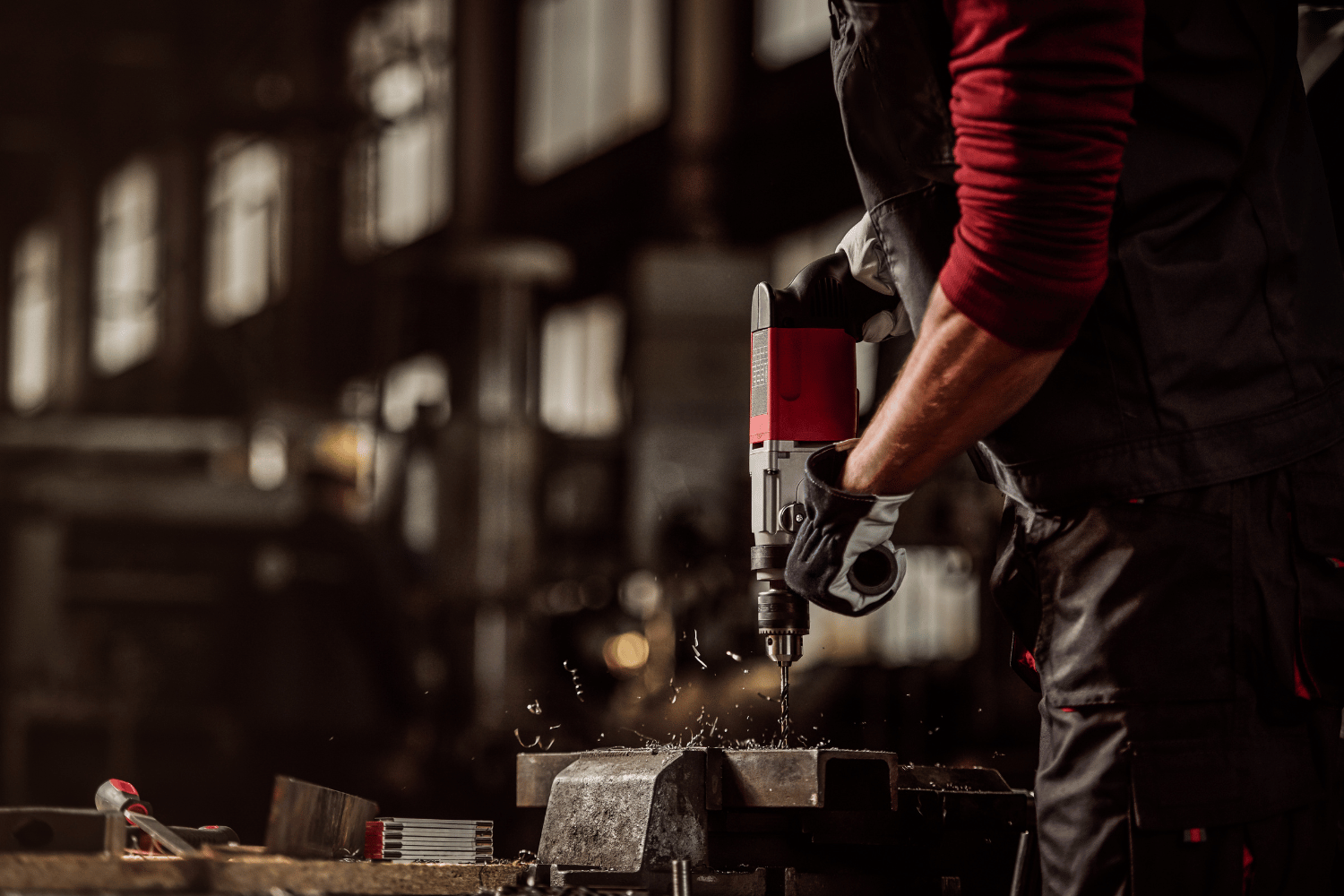
A hammer drill, also known as a rotary hammer, is a power tool that is designed for heavy-duty drilling tasks. It uses a combination of rotary and hammering action to bore through hard materials such as concrete, brick, and stone. Hammer drills are available in both corded and cordless versions, making them a popular choice for professionals who work in the construction industry.
Functionality
A hammer drill works by using a piston mechanism that delivers a hammering action as the bit rotates. This hammering action breaks up the material being drilled, making it easier for the bit to bore through. The hammering action can be turned off, allowing the drill to function as a regular drill when needed.
Types
Hammer drills come in several types, including:
- Corded hammer drill: Corded hammer drills use a cord to connect to a power source, providing uninterrupted power for longer periods.
- Cordless hammer drill: Cordless hammer drills operate on rechargeable batteries, making them more portable and convenient to use.
- SDS hammer drill: SDS hammer drills use a specialized SDS chuck that allows for more robust hammering action, making them suitable for heavy-duty tasks.
Advantages and Disadvantages
Hammer drills offer several advantages, including:
- Power: Hammer drills are more powerful than regular drills, making them suitable for drilling through hard materials such as concrete.
- Precision: Hammer drills offer better precision and accuracy than regular drills, making them suitable for delicate tasks.
- Versatility: Hammer drills can function as regular drills, making them suitable for a wide range of tasks.
However, they also have some disadvantages, such as:
- Cost: Hammer models are generally more expensive than regular drills.
- Weight: Hammer models are heavier than regular drills, making them more challenging to handle for extended periods.
Overall, a hammer drill is a powerful tool suitable for heavy-duty tasks that a standard drill may not be able to handle. If you frequently work with hard materials, investing in a hammer drill is a wise choice.

Differences Between Hammer Drills and Regular Drills
Purpose
The primary difference between hammer drills and regular drills is their purpose. Regular drills are designed for drilling and driving screws through softer materials such as wood and plastic. On the other hand, hammer drills are designed for heavy-duty tasks that require drilling through hard materials such as concrete, brick, and stone.
Mechanism
The mechanism used in hammer drills is another significant difference. While regular drills use a rotary motion to bore through materials, hammer drills use a combination of rotary and hammering action. The hammer action is essential for breaking up the material, making it easier for the drill bit to bore through.
Speed and Power
Hammer drills are more powerful and faster than regular drills. They typically have higher rotation speeds and deliver more torque, making them suitable for drilling through harder materials. Regular drills, on the other hand, have lower power, torque settings and rotation speeds, making them less suitable for heavy-duty tasks.
Applications
The applications of hammer drills and regular drills differ significantly. Regular drills are suitable for most DIY tasks, such as hanging pictures, assembling furniture, and drilling holes in soft materials. Hammer drills, on the other hand, are suitable for heavy-duty applications such as drilling through concrete, brick, and stone. They are commonly used in construction, masonry, and renovation projects.
Overall, understanding the differences between hammer drills and regular drills can help you choose the right tool for the job. If you’re working on a DIY project that requires drilling through soft materials, a regular drill is likely sufficient. However, if you’re working on heavy-duty tasks that involve drilling through hard materials, investing in a hammer drill is a wise choice.
When to Use a Hammer Drill vs. Regular Drill
Hammer Drill Applications
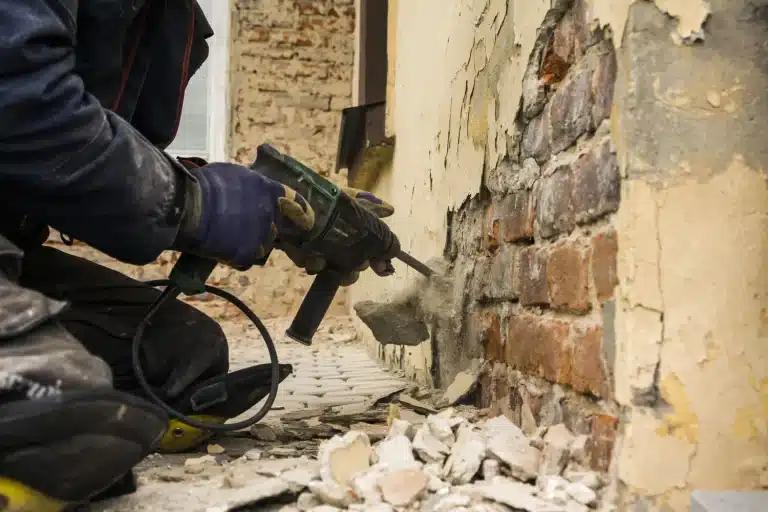
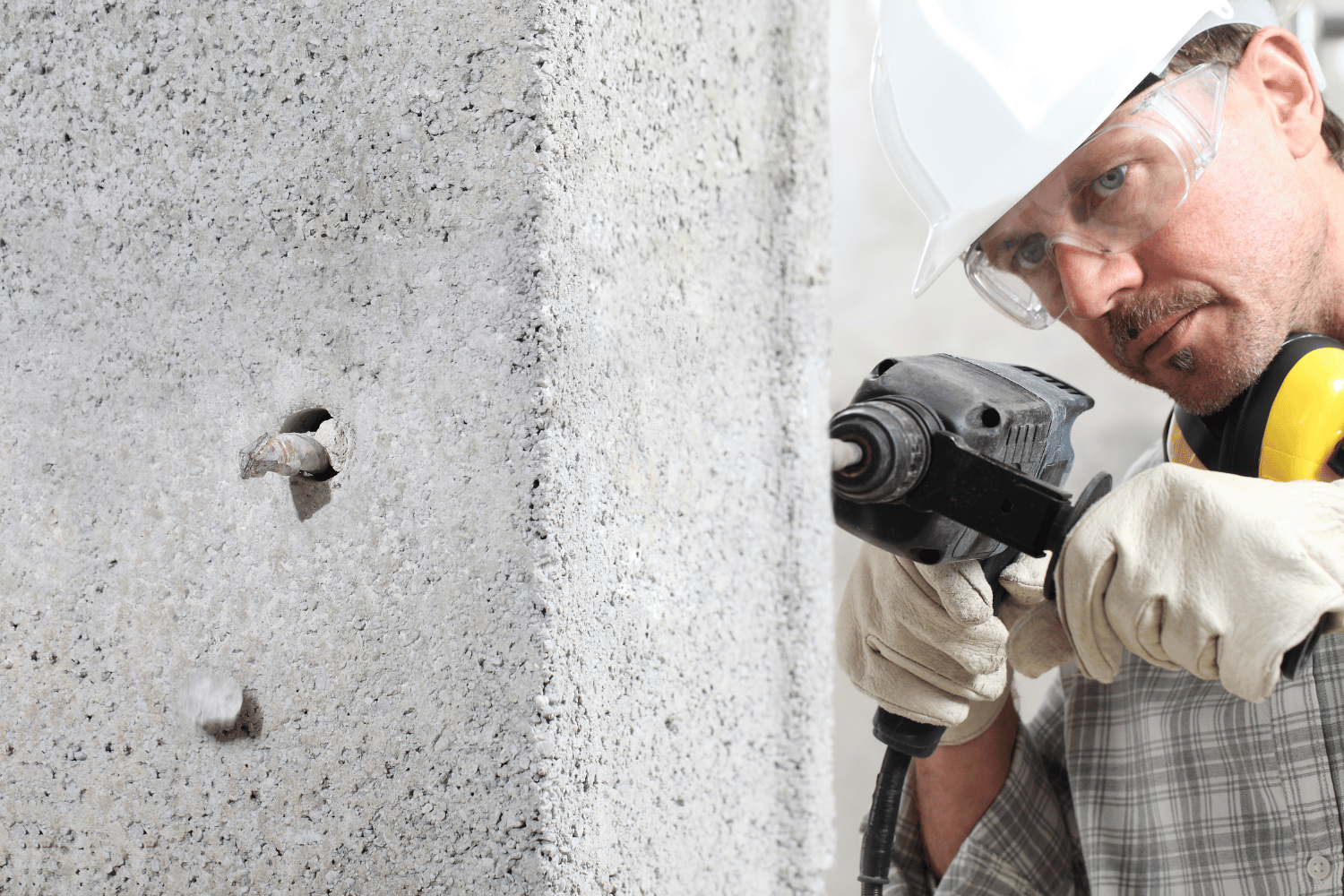
Hammer drills are ideal for drilling through hard materials such as concrete, brick, and stone. They are commonly used in construction, masonry, and renovation projects. If you’re installing a new fence post, drilling holes in concrete walls, or mounting heavy-duty shelves, a hammer drill is the right tool for the job.
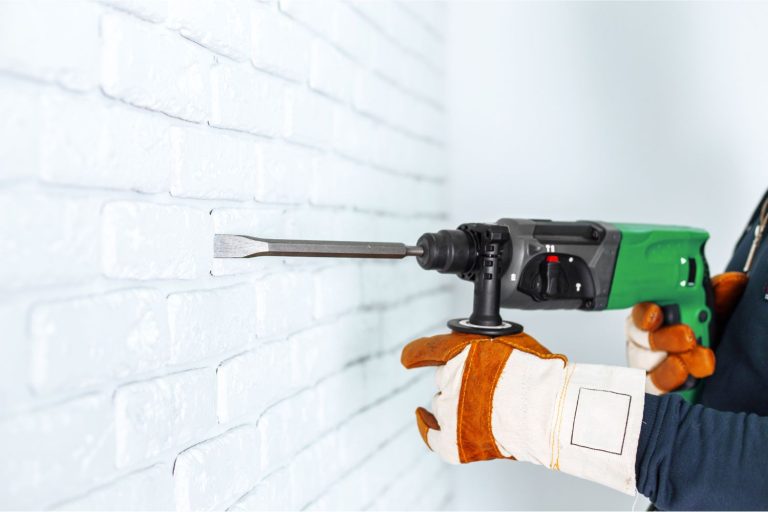
You can also use a hammer drill for demolition applications. With a chisel bit attached to your drill and the hammer mode engaged, the rotational torque is stopped and you essentially have a jackhammer that can knock out tiles, mortar, or bits of concrete.

Standard Drill Applications
Regular drills are suitable for drilling and driving screws through softer materials such as wood and plastic. They are perfect for DIY tasks such as hanging pictures, assembling furniture, and drilling holes in drywall. If you’re working on a project that involves drilling to drive screws through soft materials, a regular drill is the right tool for the job.
Choosing the right tool for the job
Choosing the right tool for the job is essential for achieving the best results. When deciding between a hammer drill and a regular drill, consider the material you’ll be drilling through and the application. If you’re working with hard materials such as concrete, brick, or stone, a hammer drill is the right tool for the job. If you’re working with softer materials such as wood or plastic, a regular drill is sufficient.
A hammer drill is a more powerful and versatile tool than a regular drill. However, it is also more expensive and heavier, making it less suitable for DIY projects that involve drilling through softer materials. When in doubt, always choose the right tool for the job, as this will save you time, money, and frustration in the long run.
Ready for Your Next Project?
Hammer drills and regular drills differ in their purpose, mechanism, speed, and power. Hammer drills are designed for drilling through hard materials such as concrete, brick, and stone, while regular drills are suitable for softer materials such as wood and plastic. Hammer drills use a combination of rotary and hammering action to bore through materials, making them more powerful and faster than regular drills.
Choosing the right tool for the job is crucial for achieving the best results. Using the wrong tool can lead to frustration, damage to materials, and even injury. When deciding between a hammer drill and a regular drill, consider the material you’ll be drilling through and the application.
In conclusion, hammer drills and regular drills are both essential tools in any DIY or professional project. Understanding the differences between them and their applications can help you choose the right tool for the job and achieve the best results. Always use the appropriate safety gear when using power tools and follow the manufacturer’s instructions. With the right tool and the right technique, you can tackle any project with confidence.