Best Impact Driver – Say Goodbye to Stripped Screws

Welcome to the ultimate guide for all you DIY enthusiasts, handymen, and tool aficionados out there!
If you’ve ever found yourself frustrated with stripped screws, tired arms, or lackluster power tools, then you’re in for a treat.
We’ve taken the time to thoroughly research the top impact drivers on the market, and we’re here to spill the beans on which ones reign supreme.
We understand the pain of wrestling with stubborn fasteners and feeling like your projects are being held back by subpar tools.
That’s why we embarked on a mission to find the best impact drivers that will not only make your life easier but also inject a serious dose of power into your toolbox.
Whether you’re a seasoned professional or a DIY enthusiast just starting your journey, we’ve got you covered.
From driving screws into dense hardwoods to tackling demanding construction projects, these impact drivers are ready to take on any challenge you throw at them.
So, buckle up and get ready to discover the impact drivers that will revolutionize the way you work.
Say goodbye to the days of sore muscles and frustrating mishaps, and say hello to a new level of efficiency and precision.
Are you ready to find your perfect match?
Let’s dive in and arm you with the knowledge you need to choose the best impact driver for your needs.
It’s time to take your toolkit to the next level and unleash your full DIY potential!
How We Choose the Best Impact Drivers
Choosing the right impact driver can be a daunting task.
With countless options available in the market, it’s easy to get overwhelmed and end up with a tool that falls short of your expectations.
The last thing you want is to invest your hard-earned money in an impact driver that underperforms or doesn’t meet your specific needs.
We’ve heard the stories of stripped screws, weak torque, and disappointing battery life.
We understand the frustration of spending hours researching, reading reviews, and trying to decipher technical specifications, only to be left feeling uncertain about which impact driver is truly worth your investment.
Fear not, because we’ve done the hard work for you!
We’ve spent countless hours researching a wide range of impact drivers from specs and features to customer reviews.
We left no stone unturned, ensuring that our selection process was thorough and meticulous.
These are the ones that made it to the top.
Overall Winner – Best Impact Driver
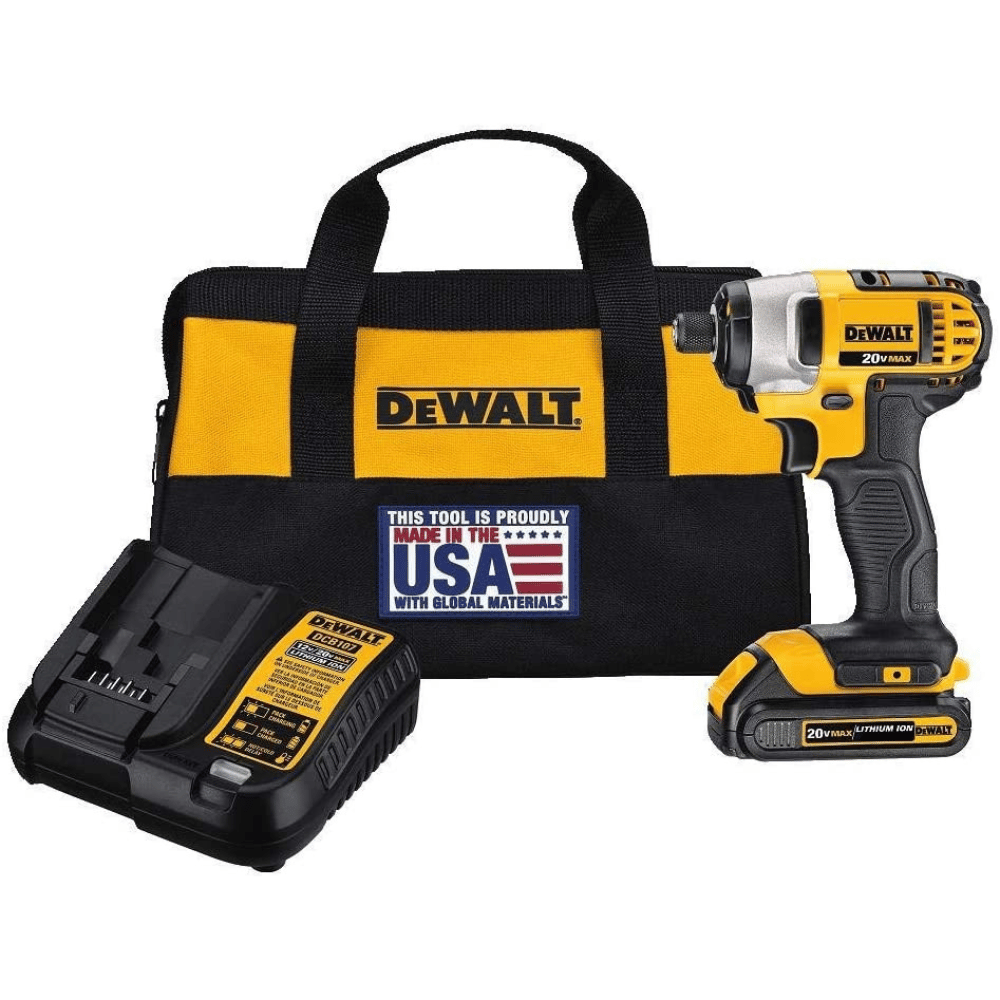
DEWALT 20V Max 1/4-Inch Impact Driver Kit (DCF885C1)
Key Features
- 3200 Impacts per minute (IPM)
- 1400 in-lbs of torque
- Brushless motor
Why It’s a Great Choice
Introducing the newest addition to your DIY toolbox: the DEWALT Impact Driver!
Not only is this powerful driver packing a real punch in terms of power and speed, but it also boasts a lightweight and compact head design (5.55″ from front to back and weighing only 2.8 lbs) that allows it to fit into tight spaces without issue.
That’s right — you can expect results from this driver even when you need to work in small areas.
They haven’t stopped there.
The DEWALT Impact Driver also boasts three LED lights with a 20-second delay after trigger release.
This allows for visibility without shadows so that you can get your job done quickly and neatly.
On top of that, they included a one-handed loading 1/4″ hex chuck which makes quick work out of bit changes when you go from project to project.
Whether you’re an experienced professional or a brand-new DIYer, this impact driver from DEWALT tools is the perfect compact and affordable option for any task in your home or business.
Get yours today and start enjoying the benefits of this sleek and light impact driver!
You won’t regret it!
Best Bang for Your Buck
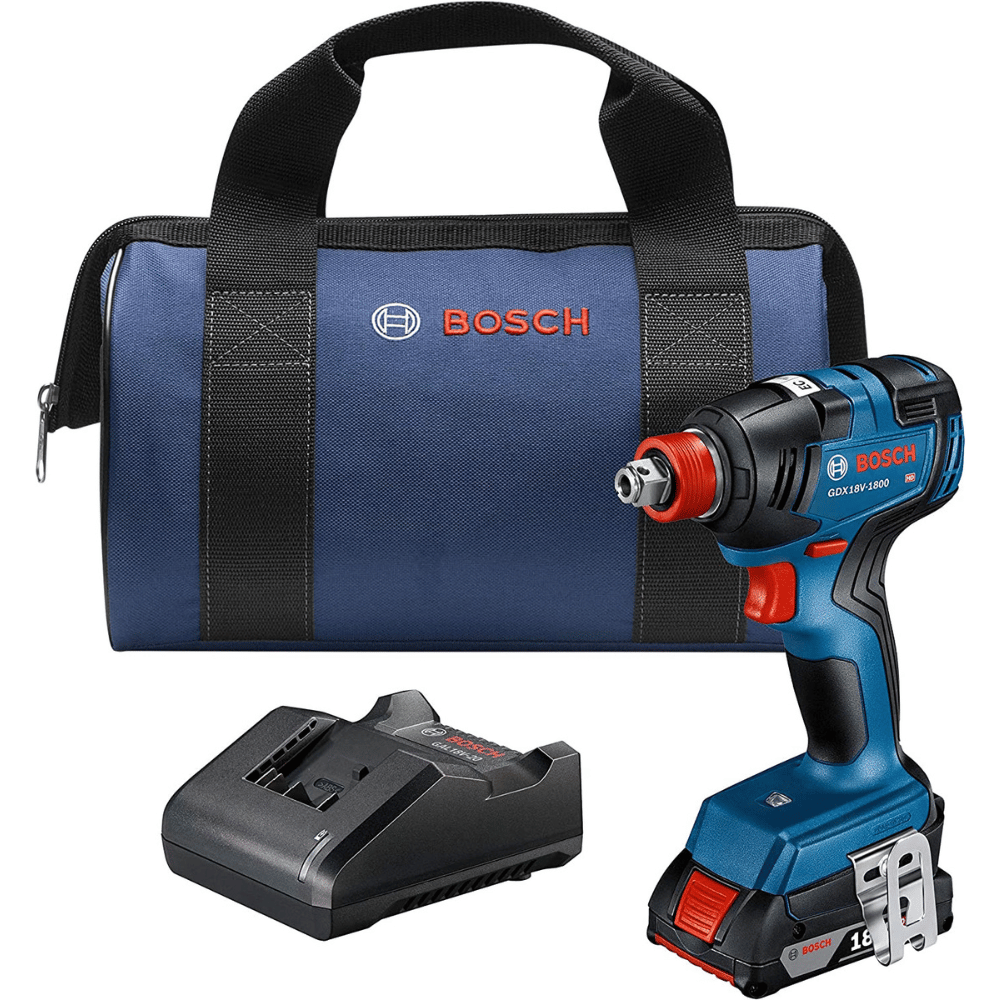
BOSCH Two-in-One Bit/Socket Impact Driver Kit (GDX18V-1800B12)
Key Features
- 4,200 IPM
- 1,800 in-lbs of torque
- 1/4-inch hex shank and 1/2-inch square drive
Why It’s a Great Choice
Discover the incredible potential of the new BOSCH Two-in-One Bit/Socket Impact Driver Kit.
This innovative tool combines a 1/4 In. quick-change hex shank and a 1/2 In. square drive—allowing you to easily switch between using bits or sockets—making it perfect for a wide range of projects.
With the powerful EC Brushless motor, you can be sure your job gets done right every time with up to 1,800 In.-Lbs. of torque and 4,200 IPM at the ready.
It also features a hammer-and-anvil system designed to maximize energy transfer during power impacts for consistently great performance.
The single-focused LED light gives you optimal vision in dark working areas and the Electronic Cell and Motor Protection efficiently helps protect your tool and battery from overloading conditions.
Get your job done faster with this versatile BOSCH Impact Driver Kit!
Best Cordless Impact Driver on a Budget
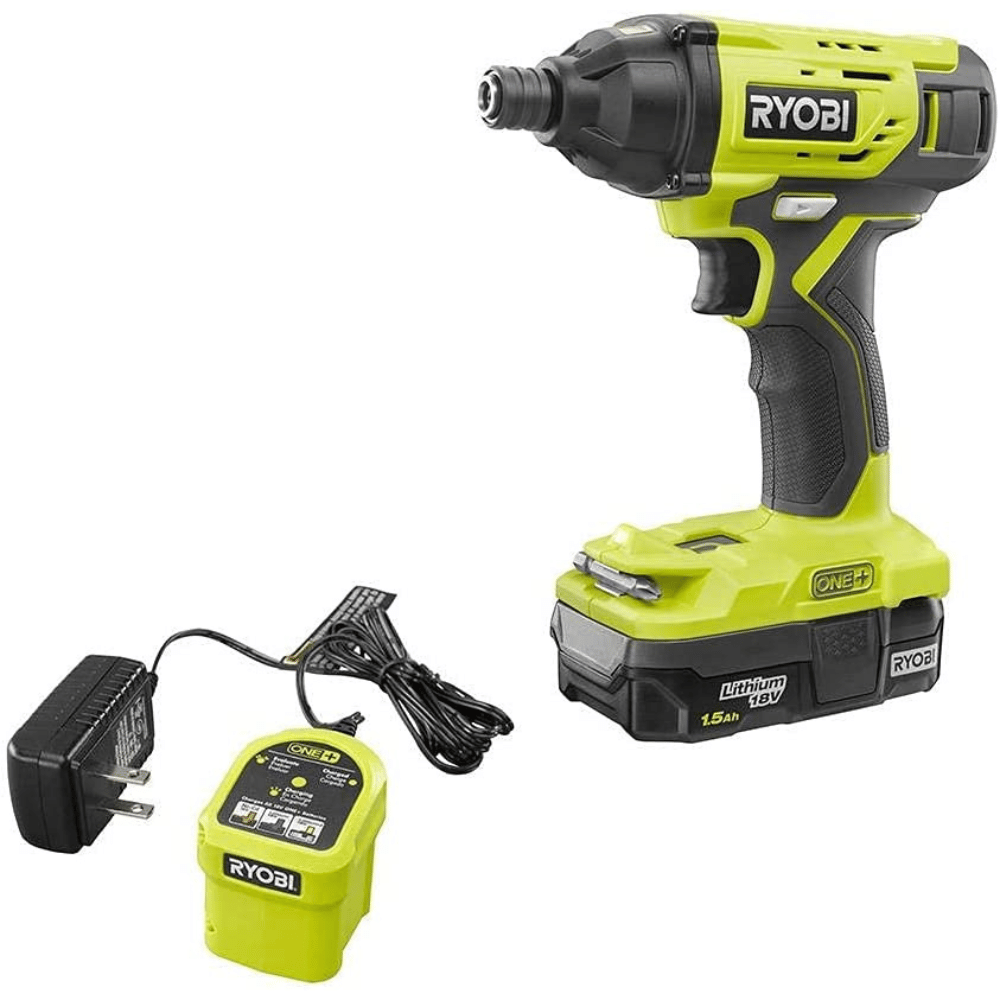
Ryobi ONE+ 18V Cordless 1/4 in. Impact Driver Kit (P235AK1)
Key Features
- 3,200 IPM
- 1,800 in-lbs of torque
- MAGTRAY Magnetic Bit Holder in the base
Why It’s a Great Choice
This Ryobi Impact Driver is the ideal tool for DIYers, contractors, and professionals alike!
It will make your projects easier and faster to complete.
It packs a punch with 3200 IPM of power and 1800 in./lbs. of torque controlled by a variable-speed trigger capable of speeds up to 2800 max RPM.
With its lightweight body weighing only 2.65 lbs., your wrists and arms are sure to thank you.
Plus, its MAGTRAY Magnetic Bit Holder keeps everything you need close by, and the 1/4 in. quick-connect coupler makes it easy to switch out bits so you can be ready for a variety of applications.
Whether you’re tackling household maintenance, building decks, or handling big jobs around the workplace, the Ryobi Impact Driver will get the job done fast and efficiently!
Most Durable Impact Driver
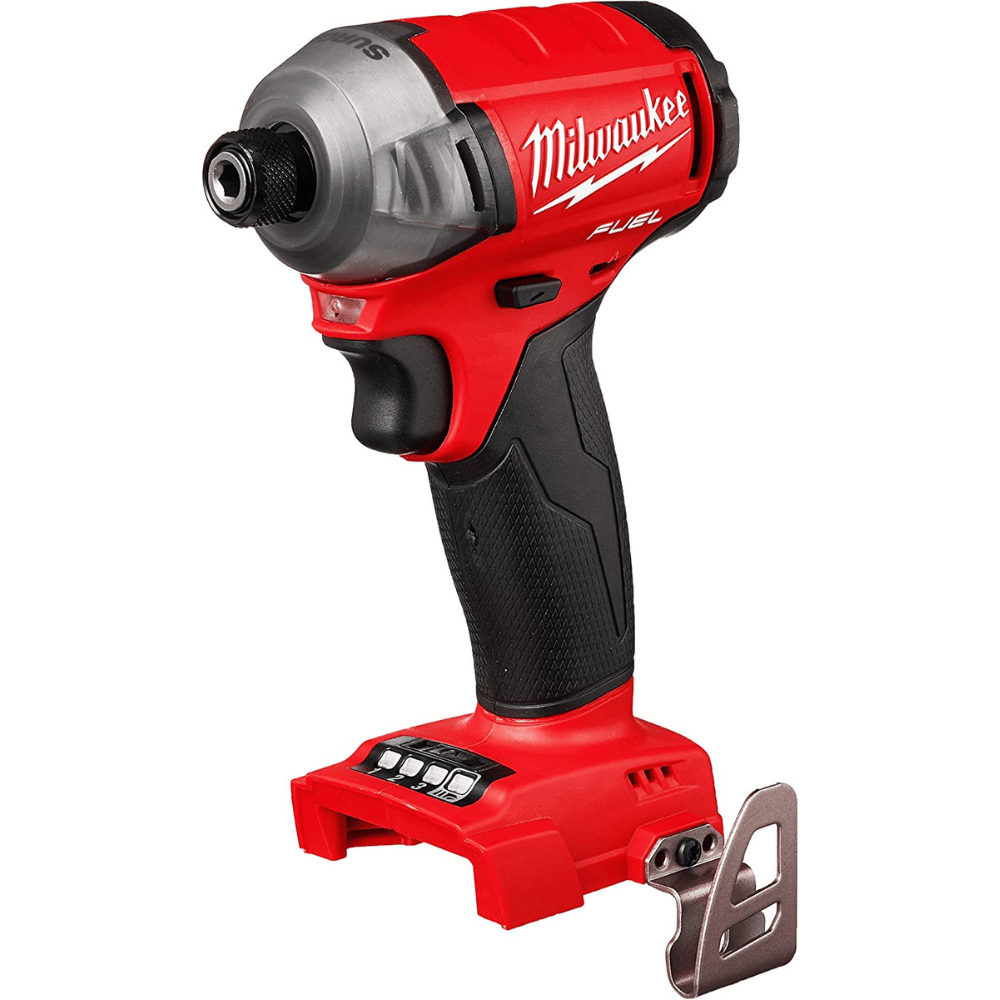
Milwaukee M18 Fuel Hex Hydraulic Driver (2760-20)
Key Features
- 4,000 IPM
- 450 in-lbs of torque
- FLUID-DRIVE™ Hydraulic Powertrain
- bare tool
Why It’s a Great Choice
Are you looking for a powerful, yet quiet cordless fastening solution?
Look no further than the Milwaukee M18 Fuel Hex Hydraulic Driver!
This cutting-edge tool provides users with up to 50% quieter operation than other impacts thanks to Milwaukee’s incredible FLUID-DRIVE™ Hydraulic Powertrain.
Not only that, but its POWERSTATE™ Brushless Motor delivers a no-load speed of up to 3,000 RPM with constant power output – so you can drive screws faster and better than ever before.
And with REDLINK PLUS™ Intelligence, you won’t have to worry about overloading or overheating problems – because this advanced system automatically prevents any damage to your tool and battery.
Whether you’re a professional tradesman or a DIY enthusiast at home, the Milwaukee M18 Fuel Hex Hydraulic Driver will make sure every job gets done right in record time!
Best Combination of High Torque and Long Runtime
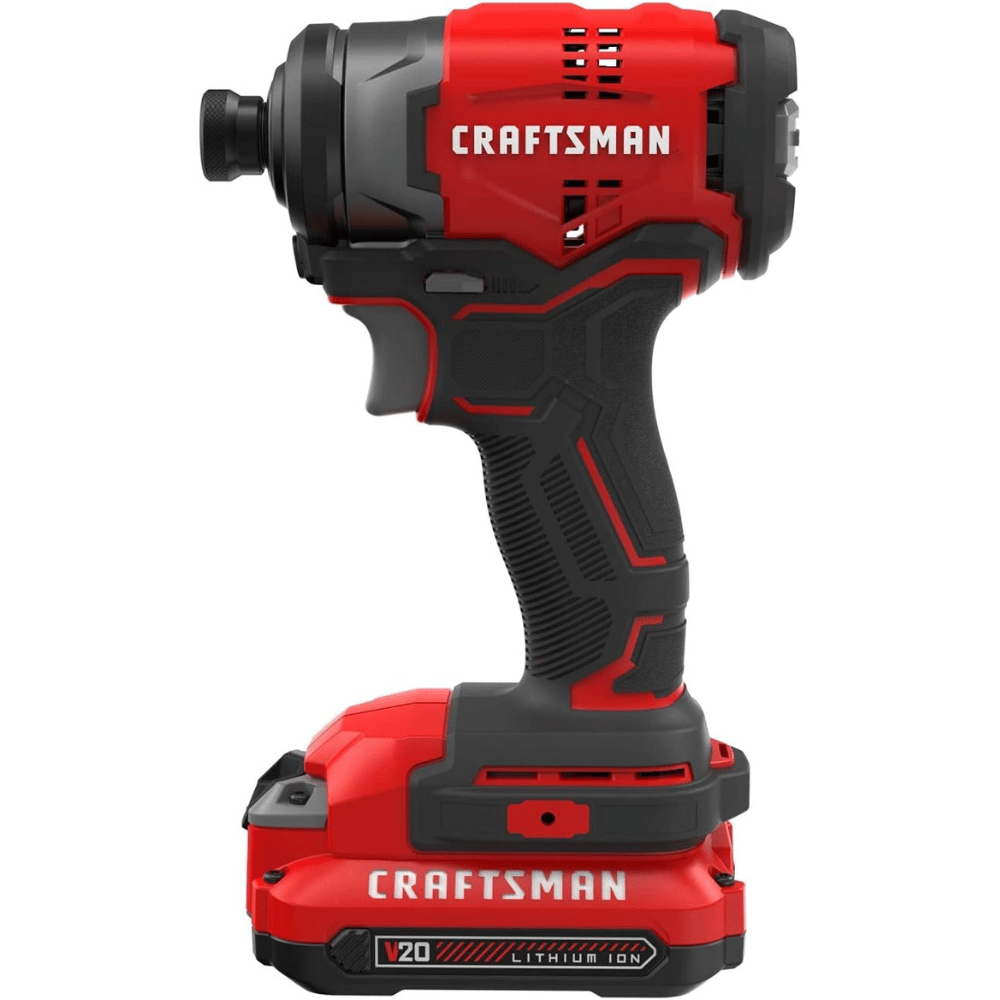
CRAFTSMAN 20V MAX Impact Driver (CMCF810C2)
Key Features
- 3,500 IPM
- 1,500 in-lbs of torque
- 30% more runtime with a brushless motor
Why It’s a Great Choice
Make sure your projects get done right with the CRAFTSMAN Impact Driver.
This high-performance tool is designed to deliver on the toughest jobs you have!
With its brushless motor, you can get up to 30% more runtime and 1,500 in-lbs. of torque.
That means faster fastening and maximum control over your applications.
Plus, it features a quick-release chuck for easy one-handed bit changes so you can switch out quickly and stay focused on the task at hand.
Whether you’re a DIYer or professional, this impact driver will help make sure all your projects run smoothly.
Get your CRAFTSMAN Impact Driver today and take on any job that comes your way!
Buyer’s Guide to the Best Impact Drivers
When it comes to shopping for an impact driver, many of us find ourselves grappling with a myriad of questions.
The vast array of options and technical jargon can leave us feeling perplexed and unsure about which features truly matter.
It’s natural to seek clarity and answers to these commonly asked questions to make an informed purchase decision.
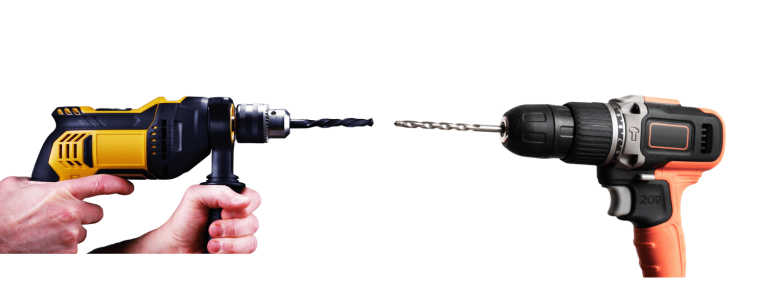
Perhaps you’ve wondered about the difference between an impact driver and a regular drill.
Maybe you’ve pondered the significance of torque and RPM, or whether a cordless or corded model would better suit your needs.
And let’s not forget about the eternal debate between brushed and brushless motors—what’s the real difference, and does it matter?
Don’t worry, because we’re here to shed light on these burning questions and provide you with the insights you need to navigate the impact driver landscape with confidence.
What is an impact driver?
An impact driver is a powerful handheld tool designed for driving screws and other fasteners with high torque and efficiency. It utilizes a rotational and concussive force mechanism to deliver rapid bursts of rotational power, allowing for quick and effortless fastening. Unlike a regular drill, which primarily applies a constant rotational force, an impact driver combines that force with concussive blows, resulting in superior driving power and reduced user effort. The impact driver’s unique mechanism enables it to handle demanding tasks, such as driving long screws into dense materials or loosening stubborn bolts. It is a preferred tool for professionals and DIY enthusiasts alike due to its exceptional performance, versatility, and ability to tackle various projects with ease.
What is the difference between an impact driver and a regular drill?
The main differences between an impact driver and a regular drill lies in their design, function, and the tasks they are best suited for:
- Driving Mechanism: Impact drivers use a combination of rotational force and concussive blows to deliver high torque, making them ideal for driving screws and fasteners. Regular drills, on the other hand, primarily apply a constant force for drilling holes.
- Torque: Impact drivers are known for their high torque output, allowing them to drive screws with exceptional power and efficiency. Regular drills typically have lower torque and are better suited for drilling tasks.
- Efficiency: Due to their unique driving mechanism, impact drivers exert less backward force on the user’s wrist, making them more efficient and reducing the risk of fatigue during prolonged use. Regular drills may require more effort from the user to achieve the same level of driving power.
- Speed: Impact drivers are generally faster when it comes to driving screws and fasteners, thanks to their rapid bursts of rotational power. Regular drills can vary in speed and are commonly used for drilling holes at different speeds.
- Versatility: While regular drills can drill holes and drive screws, impact drivers excel specifically in driving tasks. They are particularly effective when dealing with long screws, dense materials, or stubborn fasteners that may cause a regular drill to struggle.
Impact drivers are specialized tools designed for high-torque driving applications, offering increased power, efficiency, and speed when compared to regular drills. If your primary focus is driving screws and fasteners, an impact driver is the preferred choice. However, if you need a tool that can perform drilling tasks as well, a regular drill may be more suitable.
What is the difference between an impact driver and an impact wrench?
The main difference between an impact driver and an impact wrench lies in their intended applications and the level of torque they deliver:
- Applications: An impact driver is primarily designed for driving screws and fasteners. It is commonly used in woodworking, construction, and general DIY projects. On the other hand, an impact wrench is specifically designed for loosening or tightening bolts, nuts, and other heavy-duty fasteners commonly found in automotive repair, mechanical work, and industrial settings.
- Torque Output: Impact drivers typically provide lower to medium levels of torque, ranging from around 100 to 200+ Newton meters (Nm). This torque range is well-suited for most driving tasks, including screws of various sizes and lengths. Impact wrenches, on the other hand, are built to deliver much higher torque levels, often exceeding 200 Nm and reaching several hundred or even thousands of Newton meters. This high torque allows them to handle heavy-duty applications that require significant force for fastener removal or tightening.
- Size and Design: Impact drivers are generally smaller, lighter, and more compact than impact wrenches, making them more maneuverable and easier to handle in tight spaces. Impact wrenches, due to their higher torque output and larger fasteners they handle, are typically larger and heavier tools.
- Socket Compatibility: Impact drivers usually feature a ¼-inch hex chuck, specifically designed for accepting screwdriver bits. They are not compatible with sockets commonly used with impact wrenches. Impact wrenches, on the other hand, are equipped with a square drive socket system (such as ½-inch or ¾-inch square drive), enabling them to work with a wide range of sockets for handling various fastener sizes.
While both impact drivers and impact wrenches utilize impact mechanisms for added torque, they serve different purposes. Impact drivers are primarily for driving screws and fasteners in woodworking and general construction, while impact wrenches are specifically for heavy-duty applications involving bolts and nuts, typically found in automotive and industrial settings. The torque output, size, and socket compatibility are the key factors that distinguish the two tools.
How important are torque and RPM?
Torque and RPM are both essential factors to consider when evaluating an impact driver, as they directly affect its performance and suitability for different tasks. Here’s a breakdown of their importance:
Torque
Torque is the twisting force applied by the impact driver to rotate screws and fasteners. It is measured in Newton meters (Nm) or inch-pounds (in-lbs). Higher torque means more power for driving screws into various materials, especially dense or challenging ones.
The importance of torque in an impact driver can be significant. It determines the tool’s ability to handle demanding tasks such as driving long screws, lag bolts, or self-tapping fasteners. Higher torque enables the impact driver to overcome resistance and drive the fastener with less effort and reduced chance of stripping the screw head.
RPM (Rotations Per Minute)
RPM refers to the speed at which the chuck of the impact driver rotates. It indicates how quickly the driver can drive screws or fasteners. Higher RPM values generally translate to faster-driving speeds.
The RPM rating is important for tasks that require quick and efficient driving. It affects the speed at which you can complete a project, especially when driving numerous screws. However, it’s worth noting that torque is usually prioritized over RPM in impact drivers, as the primary function is to deliver power for effective fastening rather than high-speed drilling.
While torque and RPM are both important, the emphasis you place on each may vary depending on your specific needs. For heavy-duty applications or driving large screws, a higher torque rating is crucial. If you frequently work on projects requiring fast driving speeds, a higher RPM rating might be desirable.
Ultimately, it’s best to strike a balance between torque and RPM based on the tasks you anticipate performing with the impact driver. It’s important to consider the materials you’ll be working with, the size of the screws or fasteners, and the overall demands of your projects to ensure you select an impact driver that meets your requirements effectively.
Corded or cordless: which is better?
The choice between a corded and cordless impact driver depends on various factors and your specific needs. Let’s explore the advantages and considerations of each option:
Corded Impact Driver:
- Continuous Power: Corded impact drivers are powered by an electrical cord connected to a power outlet. They provide a continuous and consistent power supply, allowing you to work without interruption. This is particularly beneficial for tasks that require prolonged use or when working on large projects.
- High Power Output: They often deliver higher torque and RPM compared to their cordless counterparts. This makes them suitable for heavy-duty applications and demanding tasks that require maximum power.
- Reliability: Since they don’t rely on batteries, you don’t need to worry about running out of power or recharging. This can be advantageous in situations where you have access to a power source and need to complete tasks quickly.
Cordless Impact Driver:
- Portability and Convenience: Cordless impact drivers offer the freedom to move around without being tethered to a power outlet. They are highly portable, allowing you to work in various locations, including areas where electrical outlets may be inaccessible or limited.
- Ease of Use: Without cords, cordless impact drivers provide greater maneuverability and flexibility, especially in tight spaces or overhead work. They are generally lighter and more compact, resulting in reduced fatigue during extended use.
- Advancements in Battery Technology: The advancements in lithium-ion battery technology have significantly improved the runtime and power output of cordless impact drivers. Modern cordless models can offer impressive performance and long-lasting battery life, ensuring you have sufficient power for most tasks.
When deciding between corded and cordless impact drivers, consider the nature of your projects, the need for mobility, and the availability of power sources. If you primarily work in a workshop or have access to consistent power, a corded impact driver may be the better option for its continuous power and high torque. However, if you require portability, work on diverse job sites, or prioritize convenience, a cordless impact driver with a reliable battery system can provide the freedom and flexibility you need.
Ultimately, the “better” choice depends on your specific requirements and preferences. Assess your project demands, workspace conditions, and mobility needs to determine which type of impact driver aligns best with your workflow.
Brushed vs brushless motors: which should I choose?
When choosing between a brushed and brushless motor for an impact driver, it’s essential to consider the following factors:
Brushed Motors:
- Cost: Impact drivers with brushed motors tend to be more affordable compared to their brushless counterparts. If budget is a significant concern, a brushed motor impact driver may be a more economical option.
- Simplicity and Durability: Brushed motors have a simpler design and fewer electronic components, which can contribute to their overall durability. They can withstand heavy use and are often more resistant to overheating.
- Power Delivery: Brushed motors deliver consistent power output throughout the operation. They are generally known for higher initial torque, making them suitable for driving tasks that require immediate power.
Brushless Motors:
- Efficiency and Performance: Brushless motors are more efficient, generating less heat and resulting in improved overall performance. They provide greater power-to-weight ratios, allowing for more power and longer runtime on a single battery charge.
- Longer Lifespan: Since brushless motors have no physical brushes, there is no friction or wear, leading to a longer lifespan compared to brushed motors. This can translate into reduced maintenance and potentially lower long-term costs.
- Smoother Operation: Brushless motors offer smoother operation due to their electronic control systems. This smoothness can result in enhanced precision and control during fastening tasks.
- Compact and Lightweight: Brushless motors are typically lighter and more compact, making the impact driver more comfortable to handle and maneuver, particularly during extended periods of use.
If you prioritize cost-effectiveness and simplicity, a brushed motor impact driver may be a suitable choice. However, if you value enhanced performance, efficiency, longer lifespan, and a more compact design, a brushless motor impact driver is the way to go.
Consider your specific needs, budget, and the intended frequency of use when making a decision. If you foresee frequent and demanding use, investing in a brushless motor impact driver could provide better long-term value. However, for occasional or less demanding tasks, a brushed motor impact driver can still deliver satisfactory results at a more affordable price point.
What should I consider when it comes to ergonomics and user comfort?
When considering ergonomics and user comfort in an impact driver, there are several key factors to keep in mind:
- Grip Design: Look for an impact driver with a comfortable grip design that allows for a secure and ergonomic hold. The grip should provide adequate cushioning, be non-slip, and fit well in your hand. Consider models with rubberized or contoured grips for enhanced comfort and control during extended use.
- Weight and Balance: Consider the weight and balance of the impact driver. It should feel balanced in your hand, with the weight distributed evenly. A well-balanced tool reduces strain and fatigue, allowing for longer, more comfortable operation.
- Size and Compactness: The size and compactness of the impact driver can significantly impact user comfort, particularly when working in tight or confined spaces. Opt for a compact and lightweight model that offers maneuverability and ease of use, while still providing sufficient power and functionality.
- Trigger Design: A responsive and easy-to-use trigger is essential for comfortable operation. Look for an impact driver with a variable speed trigger, allowing you to control the speed and power according to the task at hand. Smooth and easily accessible trigger operation enhances user comfort and precision.
- Vibration Dampening: Impact drivers can generate significant vibrations during use. Choosing a model with effective vibration-dampening features can minimize the transfer of vibrations to your hand and reduce discomfort or fatigue. Look for impact drivers with vibration-reducing technologies or built-in vibration-dampening systems.
- LED Light: While not directly related to ergonomics, built-in LED lights on impact drivers can greatly enhance visibility in dimly lit or confined workspaces. Good illumination helps improve accuracy and reduces strain on the eyes, contributing to overall user comfort.
When possible, it’s always a good idea to physically handle an impact driver before purchasing to assess its ergonomics and comfort. Everyone’s preferences and hand sizes differ, so finding a model that feels comfortable and suits your grip is important.
Prioritizing ergonomics and user comfort in your impact driver choice can significantly enhance your overall experience, reduce fatigue, and improve control and precision during your projects.
Can I use an impact driver for drilling holes?
While impact drivers are primarily designed for driving screws and fasteners, they can be used for drilling holes in certain situations. However, it’s important to understand the limitations and consider the following factors:
- Chuck Compatibility: Impact drivers typically feature a ¼-inch hex chuck, specifically designed for accepting screwdriver bits. This chuck is not designed to hold traditional drill bits with round shanks. While some impact drivers may come with adapters or quick-change chucks that allow for drilling, it’s important to check the compatibility and limitations of the specific model you’re using.
- Speed and Control: Impact drivers deliver rotational impacts in addition to the rotational motion. This impact mechanism is not ideal for precise drilling, especially in delicate materials or when drilling at shallow depths. The impact action can cause the bit to “walk” or wander, leading to less control over the drilling process.
- Suitable Materials: Impact drivers can be used for drilling holes in softer materials like wood or plastic, where the impact action is less likely to cause issues. However, drilling in harder materials like metal or concrete may be challenging and may require specialized drill bits or the use of a dedicated drill.
- Hole Size and Depth: Impact drivers are generally more suitable for drilling smaller holes, typically up to ¼ inch or ⅜ inch in diameter. If you require larger holes or need to drill to deeper depths, it’s recommended to use a dedicated drill with the appropriate chuck and power settings.
While impact drivers can be used for drilling holes in certain scenarios, they are not the optimal tool for precise or heavy-duty drilling tasks. If drilling holes is a frequent part of your projects, it’s advisable to invest in a dedicated drill that is specifically designed for drilling applications. This will provide better control, accuracy, and suitability for a wider range of drilling tasks.
Choosing the Best Impact Driver for You
In conclusion, we’ve explored the wonderful world of impact drivers and uncovered the top contenders that have earned their place as the best in the market.
From their exceptional power and torque to their durable construction and user-friendly design, these models have proven their worth.
We understand that choosing the right power tool can be a crucial decision, one that directly impacts the quality of your projects and the ease of your work.
That’s why we’ve invested our time and expertise to present you with the most comprehensive and reliable information possible.
Now armed with our detailed product reviews, insights into key features, and answers to commonly asked questions, you have the tools (pun intended!) to make an informed choice.
Whether you’re a professional tradesperson, a passionate DIY enthusiast, or someone in between, we’re confident that the perfect impact driver for your needs awaits you.
To take the next step and make one of these exceptional impact drivers your own, simply click the links provided to check the prices on Amazon.
By doing so, not only will you be securing a top-notch tool, but you’ll also be supporting our efforts to continue providing you with valuable product recommendations and insightful content.
So, why wait?
Don’t let those stubborn screws or demanding projects hold you back any longer.
Order your impact driver today and experience the transformative power and efficiency it brings to your toolbox.