The Essential Power Tools Every DIY Beginner Should Own

You’re ready to tackle your first DIY project, but do you have the essential power tools to get the job done? Don’t worry, we’ve got you covered.
In this article, we’ll guide you through the must-have power tools that every DIY beginner should own. From a power drill and impact driver to a table saw and cordless brad nail gun, we’ll show you the tools that will make your projects a breeze.
Get ready to join the DIY community and start creating with confidence.
Key Takeaways
- Power tools are essential for any DIY project.
- Cordless drills and impact drivers are versatile tools that offer speed, power, and precision.
- Drills can be used with different types of drill bits for various tasks.
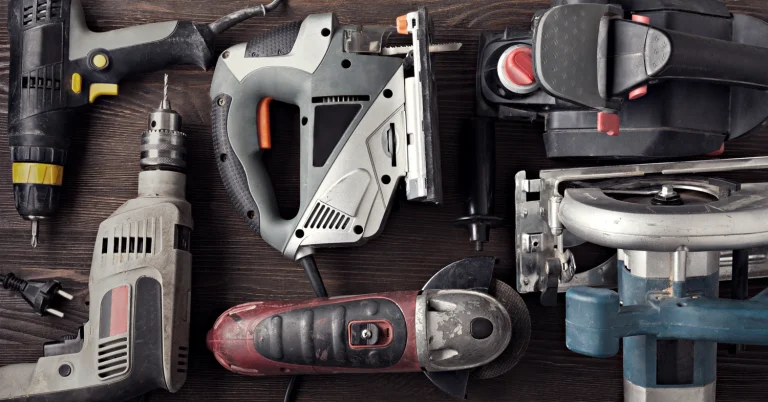
- The essential power tools every DIY beginner should own include a drill, jigsaw, circular saw, and oscillating multi-tool.
The Importance of Power Tools for DIY Projects
You’ll quickly understand the importance of power tools for home improvement projects. Whether you’re a beginner or an experienced DIYer, having the right tools is essential for any project.
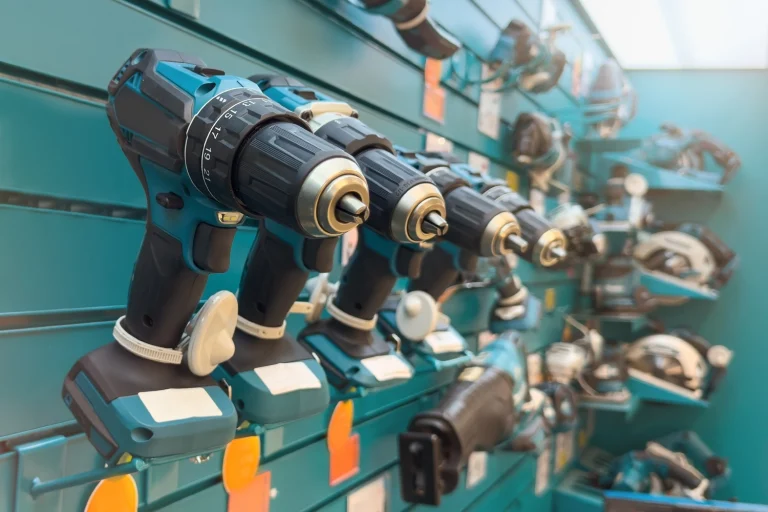
One of the most versatile tools every beginner should own is a cordless power drill. This tool allows you to drill holes and drive screws effortlessly, giving you the freedom to tackle various projects without being limited by cords or outlets.
On the other hand, a corded drill provides consistent power and is ideal for heavy-duty tasks.
Power tools for beginners are designed to be user-friendly and safe, making them accessible and suitable for individuals just starting their DIY journey.
Investing in these essential tools won’t only enable you to complete your projects more efficiently but also give you a sense of belonging in the DIY community.
Power Drill and Impact Driver
When it comes to power tools, the drill and impact driver are two essential tools every DIY enthusiast should have in their arsenal.
The drill is a versatile tool that can be used for drilling holes and driving screws.
The impact driver, on the other hand, is designed for heavy-duty tasks, such as driving large screws and bolts.
Both tools offer speed, power, and precision, making them invaluable for any DIY project you take on.
Types and Uses of Drills
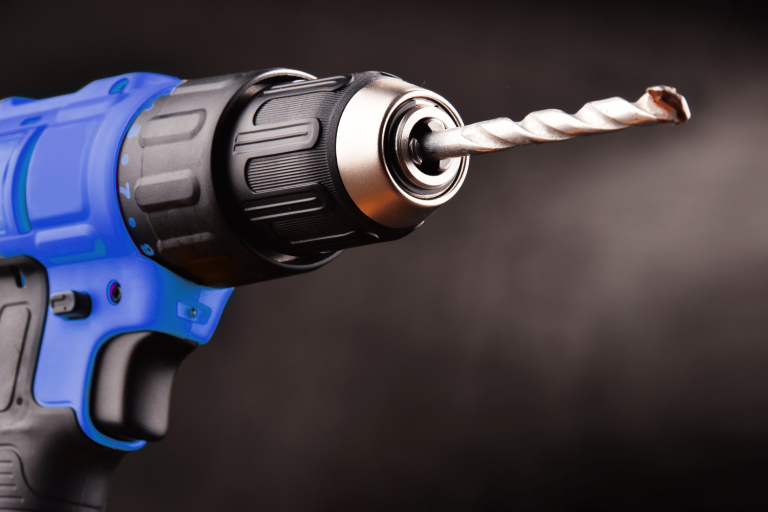
To handle various tasks, a drill can be used with different types of drill bits. Whether you opt for a corded or cordless drill, it’s essential to understand the different types of drill bits to ensure successful completion of your projects.
There are numerous types of drill bits available, each designed for specific tasks. Twist drill bits are the most common ones and are suitable for drilling holes in wood, plastic, and metal.
For masonry work, masonry drill bits with a carbide tip are ideal. If you need to create large holes, spade bits or hole saws will be your go-to options. Additionally, there are specialized drill bits for different materials like glass, tile, and concrete.
With a drill and the right drill bits, you can confidently tackle any project that comes your way.
Jigsaw
When it comes to tackling intricate cuts in various materials, the jigsaw is the go-to tool for any DIY enthusiast.
With its versatile blade and adjustable cutting angles, the jigsaw allows you to effortlessly navigate curves and intricate designs.
Whether you’re cutting through wood, metal, or plastic, the jigsaw is an essential addition to your tool collection, providing precision and control for all your DIY projects.
Choosing the Right Jigsaw for Your DIY Projects
If you’re a beginner, the right jigsaw can make all the difference in your projects. A corded jigsaw is a great option for beginners because it provides consistent power without the need for battery changes. With a corded jigsaw, you can easily tackle wider wood pieces, cut PVC pipe, and even work with larger boards.
The key is to choose a jigsaw with a variable speed feature, allowing you to adjust the blade speed according to the material you’re cutting. Additionally, look for a jigsaw with a bevel adjustment, which allows you to make angled cuts for more versatile projects.
With the right jigsaw, you’ll be able to make precise and straight cuts, giving your projects a professional finish.
Circular Saw
You’ve mastered the jigsaw and now it’s time to add a circular saw to your arsenal.
A circular saw is a powerful tool that can make quick and precise cuts in a variety of materials, from wood to metal. With its spinning blade and adjustable depth, the circular saw is perfect for both rough cuts and more delicate projects.
How to Safely Use a Circular Saw
To safely use a circular saw, always wear protective goggles and keep your fingers away from the blade. This essential power tool can be intimidating for a DIY beginner, but with the right precautions, you’ll be able to use it confidently and safely.
Here are some tips to help you get started:
- Make sure the saw is unplugged before making any adjustments or changes.
- Use a sturdy work surface or sawhorse to secure the material you’re cutting.
- Keep both hands on the saw’s handles at all times for maximum control.
- Use a guide or mark your cutting line to ensure accuracy.
- Take your time and make steady, controlled cuts to prevent kickback.
Remember, practice and familiarity with your circular saw will improve your skills and confidence. As a DIY beginner, take the time to learn proper techniques and always prioritize safety.
Miter Saw
You might be wondering why a miter saw is considered an essential tool for DIY projects.
Well, let me tell you, a miter saw is a game-changer when it comes to making precise angled cuts.
With its rotating blade and adjustable angles, you’ll be able to tackle various projects with ease and accuracy.
Trust me, once you experience the versatility and precision of a miter saw, you’ll wonder how you ever managed without it.
Why a Miter Saw is Essential for DIY Projects
If you’re a beginner, owning a miter saw is essential for your projects. This versatile power tool allows you to make precise cuts at various angles, making it perfect for tasks like framing, crown molding, and trim work.
Here are five reasons why a miter saw is a must-have for any DIYer:
- Accurate cuts: With a miter saw, you can achieve clean and accurate cuts every time, ensuring your projects look professional.
- Versatility: Miter saws can also be used to cut in a wide range of scenarios, from crosscuts to bevel cuts, making them a versatile tool for any DIY project.
- Time-saving: A miter saw allows you to make quick and efficient cuts, saving you valuable time on your projects.
- Safety features: Many miter saws come with safety features like blade guards and electric brakes, ensuring your safety while working.
- Compatibility with cordless options: Some miter saws are available in cordless models, allowing for greater mobility and convenience during your DIY projects.
Investing in a miter saw will greatly enhance your DIY capabilities and ensure that you can tackle any project with confidence.
Oscillating Multi-Tool
The oscillating multi-tool is a versatile and indispensable tool for any DIY enthusiast.
With its rapid oscillating motion, this tool can tackle a wide range of tasks with precision and ease.
From sanding and cutting to scraping and grout removal, the oscillating multi-tool is a must-have in your toolbox.
Applications of an Oscillating Multi-Tool
An oscillating multi-tool can be used for a wide range of applications, from sanding to cutting. This versatile power tool is essential for any DIY beginner looking to tackle various projects around the house.
Here are five key applications of an oscillating multi-tool that will help you achieve professional results:
- Sanding: The oscillating motion allows for precise sanding in tight spaces, such as corners or edges.
- Cutting: Whether it’s trimming baseboards or removing damaged flooring, the oscillating multi-tool’s cutting capabilities make it a go-to tool.
- Scraping: Easily remove old paint, adhesive, or caulk with the scraping attachment.
- Grout Removal: The oscillating multi-tool can quickly and efficiently remove grout between tiles, making it perfect for bathroom or kitchen renovations.
- Detail Work: From shaping wood to making intricate cuts, the oscillating multi-tool’s precision is unmatched.
With an oscillating multi-tool in your arsenal, you’ll be equipped to tackle a wide range of DIY projects with confidence.
Random Orbital Sander
When it comes to sanding, the random orbital sander is a must-have tool in your arsenal.
This versatile power tool is designed to give you smooth and even results on various surfaces, from wood to metal.
With its unique circular and random motion, it prevents swirl marks and provides a more efficient sanding experience.
Choosing the Right Sandpaper for Your Sander
You’ll need to choose the right sandpaper for your sander. The type of sandpaper you select will greatly impact the quality of your sanding job. Here are some key factors to consider when choosing sandpaper for your sander:
- Grit size: Sandpaper is available in various grit sizes, ranging from coarse to fine. The grit size determines the level of abrasiveness and the smoothness of the finish.
- Material compatibility: Different materials require different types of sandpaper. Make sure to choose sandpaper that’s suitable for the material you’re working with.
- Backing type: Sandpaper comes with different backing types, such as paper, cloth, or foam. Each type has its own advantages and is designed for specific applications.
- Durability: Look for sandpaper that’s durable and long-lasting, as it will save you time and money in the long run.
- Brand reputation: Consider purchasing sandpaper from reputable brands known for their quality and reliability.
Cordless Brad Nail Gun
If you’re looking to take your DIY projects to the next level, investing in a cordless brad nail gun is a game-changer.
With its compact and lightweight design, this tool allows you to effortlessly drive nails into various materials without the hassle of cords or air compressors.
From trim work to furniture assembly, the cordless brad nail gun offers convenience and precision that will make your projects a breeze.
The Benefits of Using a Cordless Brad Nail Gun
Using a cordless brad nail gun will make your DIY projects easier and more efficient. Here’s why:
- Increased mobility: With a cordless nail gun, you’re not limited by cords or power outlets. You can move freely around your workspace without any restrictions.
- Time-saving: The cordless feature allows for quick setup and teardown. No need to fuss with extension cords or worry about tripping hazards. You can focus on completing your project in record time.
- Versatility: Cordless brad nail guns are perfect for a variety of projects like trim work, installing molding, or even building furniture. You can tackle multiple tasks with just one tool.
- Precision: These nail guns offer precise nail placement, ensuring your work looks professional and seamless. No more hammering and risking damage to your materials.
- Safety: Cordless nail guns have safety features like sequential firing and anti-dry fire mechanisms, reducing the risk of accidents and injuries.
Investing in a cordless brad nail gun, along with other essential tools like cordless power drills, cut blades, cordless drill, and miter saws, will empower you to take on any DIY project with confidence and efficiency.
Table Saw
A table saw is an essential tool for any serious DIY enthusiast or woodworker.
With its powerful motor and large cutting surface, it allows you to make precise cuts with ease.
Whether you’re ripping boards or creating intricate joinery, a table saw is a versatile and reliable tool that will enhance your woodworking projects.
How to Make Precise Cuts with a Table Saw
To make precise cuts with a table saw, you’ll want to ensure your blade is sharp and properly aligned. Here are some tips to help you achieve those clean, accurate cuts:
- Sharpen your blade: A dull blade can cause tear-out and imprecise cuts. Regularly sharpen your blade or have it professionally sharpened for optimal performance.
- Align your blade: Check that your blade is parallel to the miter slot or fence for accurate cuts. Adjust the blade alignment if necessary.
- Use a rip fence: A rip fence helps guide your material and maintain a consistent width throughout the cut. Ensure it’s securely locked in place before making any cuts.
- Use a push stick: A push stick will keep your hands safe and steady while feeding the material through the blade.
- Use a miter gauge: For angled cuts, use a miter gauge to guide your material at the desired angle.
Frequently Asked Questions
Are Power Tools Necessary for Every DIY Project, or Can I Get by With Just Hand Tools?
You might be wondering if power tools are necessary for every DIY project. While hand tools can get the job done, power tools offer efficiency and speed, making your projects easier and more enjoyable.
What Safety Precautions Should I Take When Using Power Tools?
When using power tools, it’s crucial to prioritize safety. Always wear protective gear, such as goggles and gloves. Make sure your work area is well-lit and clutter-free. Familiarize yourself with the tool’s manual and follow its instructions precisely.
Can I Use a Drill as a Screwdriver, or Do I Need a Separate Tool for That?
Yes, you can use a drill as a screwdriver. Drills usually come with different drill bits and screwdriver bits, allowing you to switch between drilling and screwing tasks easily.
Do I Need Different Types of Saws for Different Projects, or Can I Get by With Just One?
It’s important to have a variety of saws for different projects. While you can get by with just one, having different types will make your DIY experience easier and more efficient.
Are Cordless Power Tools as Powerful as Corded Ones, or Should I Prioritize Getting a Corded Tool Instead?
Cordless power tools have come a long way and can be just as powerful as corded ones. However, if you prioritize maximum power and don’t mind the inconvenience of a cord, a corded tool may be your best bet.