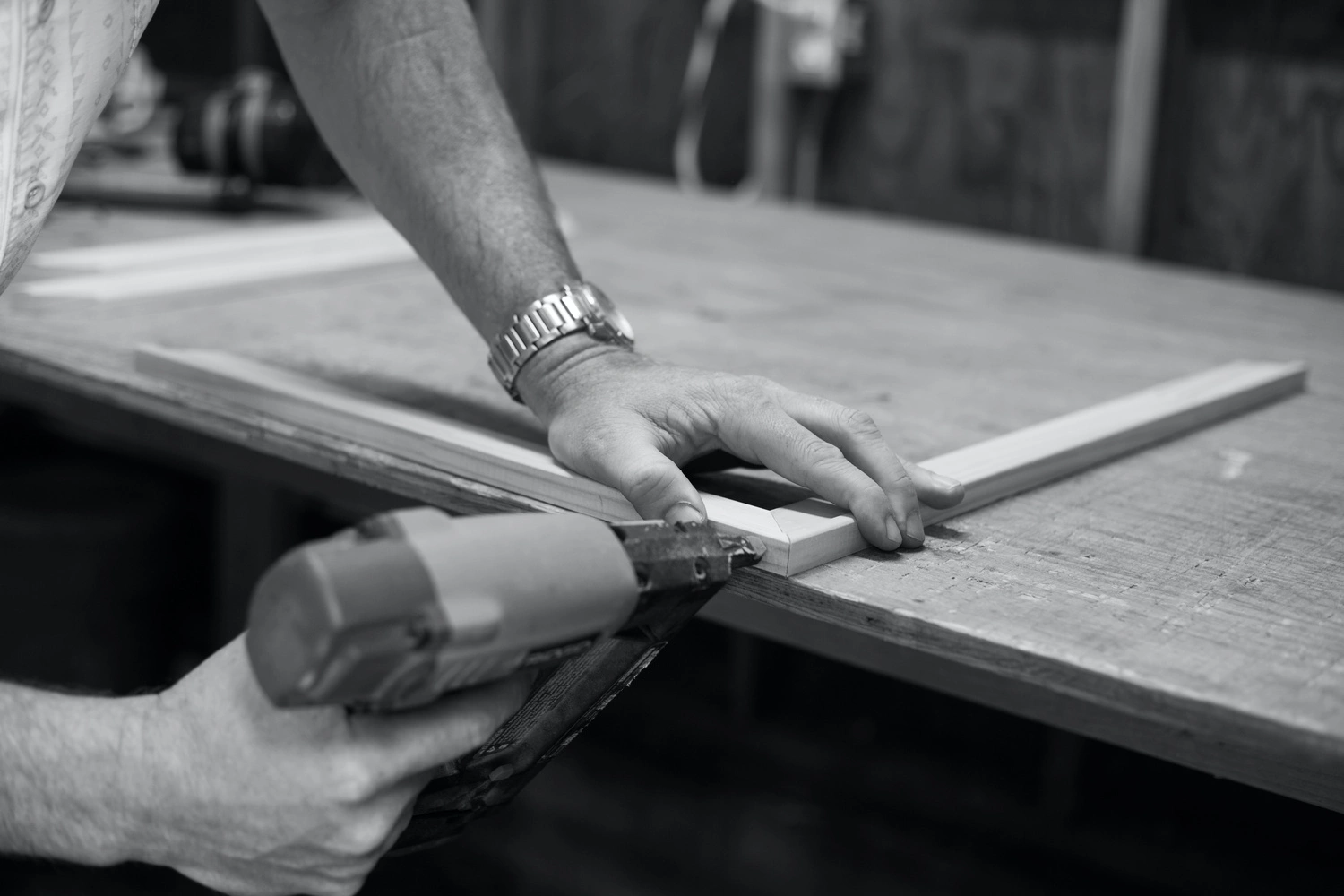
Brad Nailer vs Finish Nailer: Discover the Differences

Are you in the market for a nailer but confused about whether to choose a brad nailer or a finish nailer? Understanding the distinctions between these two tools is crucial in order to make an informed decision. With their own unique features and applications, knowing which one suits your needs will give you greater control over your projects.
A brad nailer is designed for delicate work that requires precision. It uses thin, 18-gauge nails that leave tiny holes and are ideal for attaching trim without splitting the wood.
On the other hand, a finish nailer is more robust and versatile, using slightly thicker, 15- or 16-gauge nails that provide stronger hold and can handle larger projects like cabinets or furniture assembly.
By understanding the differences in nailing techniques, power and size requirements, safety considerations, cost factors, and versatility of each tool, you’ll be able to confidently select the right nailer for your specific project needs.
Let’s dive into these distinctions so you can take control of your next woodworking endeavor!
Key Takeaways
- Brad nailers are designed for delicate work and use thin, 18-gauge nails.
- Finish nailers are more robust and versatile, using thicker, 15- or 16-gauge nails.
- Brad nailers minimize splitting and damage to wood, while finish nailers provide a stronger hold on thicker materials.
- Choosing the right nailer for each project is crucial in achieving professional results.
Brad Nailer vs Finish Nailer: Understanding the Tools
When it comes to understanding the distinctions between a brad nailer and a finish nailer, it’s important to start by defining each tool.
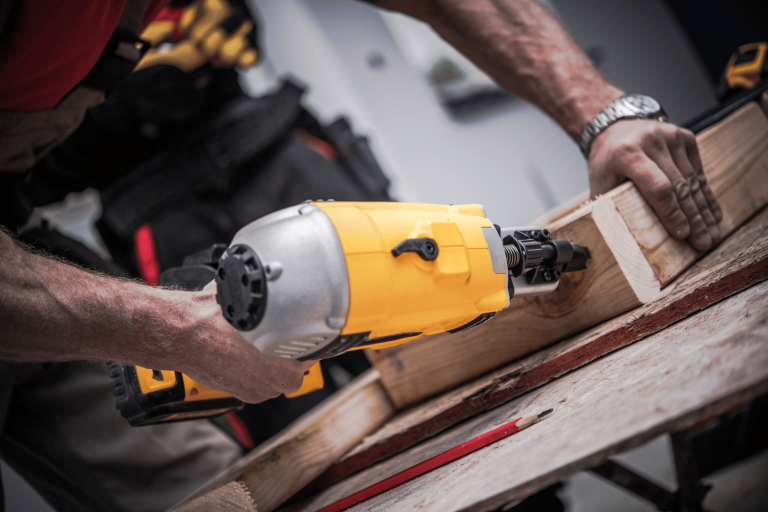
A brad nailer is a type of power tool that is specifically designed for driving small, slender nails called brads into wood or other materials.
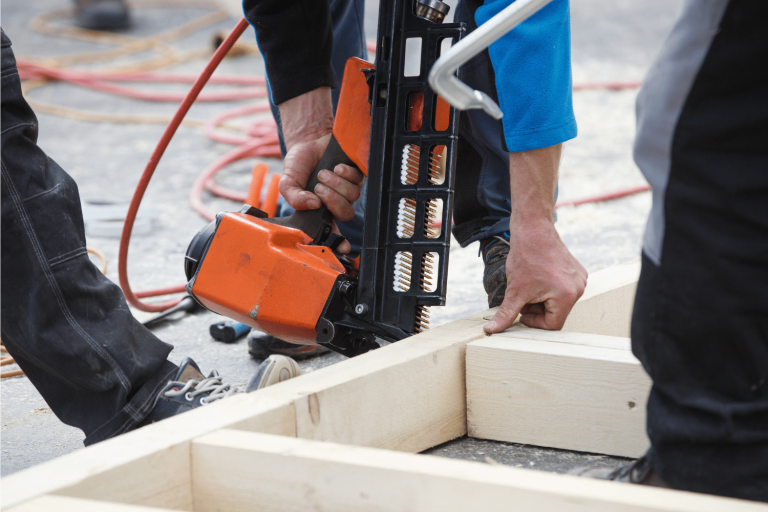
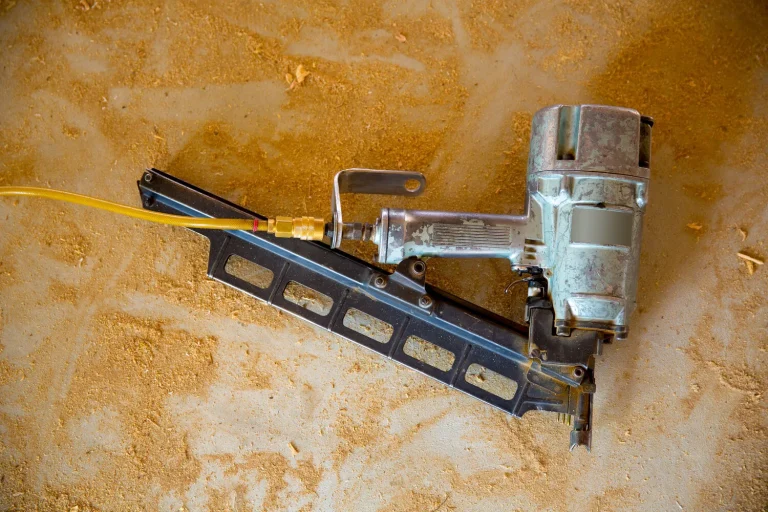
On the other hand, a finish nailer is also a power tool, but it is used for driving larger, more robust nails known as finish nails.
Choosing the right tool for your project is crucial as using the wrong tool can result in damage to your material or an imperfect finish.
Definition and Purpose of Brad Nailer
To truly understand the purpose of a brad nailer, imagine yourself effortlessly securing delicate trim pieces without any damage or splitting. A brad nailer is a versatile power tool designed for precision and control in woodworking projects. It uses thin, small-gauge nails called brads, which are ideal for attaching lightweight materials such as moldings, trims, and thin boards. The narrow gauge of the brads significantly reduces the risk of splitting or damaging the workpiece.
Here is a comparison table that highlights the key distinctions between a brad nailer and a finish nailer:
| Brad Nailer | Finish Nailer |
|---|---|
| Uses small-gauge nails (brads) | Uses larger-gauge nails |
| Ideal for delicate trim work | Suitable for heavy-duty applications |
| Minimizes splitting or damage to wood | Provides stronger hold on thicker materials |
Understanding these distinctions is crucial when deciding which tool to use in different woodworking scenarios. Moving forward into the subsequent section about the definition and purpose of a finish nailer, you will gain further insight into this contextually relevant topic.
Definition and Purpose of Finish Nailer
The finish nailer, with its ability to provide a stronger hold on thicker materials and its suitability for heavy-duty applications, offers a versatile solution for woodworking projects. Unlike the brad nailer, which is primarily used for delicate trim work, the finish nailer can handle larger tasks such as baseboard installation or crown molding.
It comes in both cordless and pneumatic models, giving you options depending on your needs. The finish nailer’s holding power is greater than that of a brad nailer, making it ideal for securing heavier pieces of wood together. Whether you’re working on intricate trim or tackling more robust projects, the precision and strength of a finish nailer will ensure your workpiece stays secure.
Choosing the right tool for each project is crucial in achieving professional results.
Importance of Choosing the Right Tool
Selecting the appropriate tool for your woodworking project is crucial in achieving professional results and ensuring that your workpiece remains secure.
When it comes to choosing between brad and finish nailers, understanding the differences is key.
Brad nailers are often ideal for smaller projects where you need to attach delicate lightweight trim without risking splitting the wood.
On the other hand, a finish nailer is better suited for larger projects like installing baseboards or crown, as it provides more holding power with its thicker nails.
It’s important to consider what type of project you’re working on and the level of strength and durability required before deciding whether to use a brad nailer or a finish nailer.
Now let’s delve into the types of nails used.
Types of Nails used
Did you know that different types of nails are used for brad nailers and finish nailers? When using a brad nailer, it’s crucial to choose the right type of nail for the job.
Brad nails are thin and delicate, ranging from 18 to 23 gauge. These nails are perfect for tasks that require precision and finesse, such as installing door trim.
On the other hand, finish nailers use larger nails, typically 15 or 16 gauge, which offer more holding power. These nails are ideal for heavier applications like attaching baseboards or securing cabinets.
Using the correct type of nail is essential because it ensures a secure and professional-looking result. When selecting a nail gun, consider what types of projects you’ll be working on most frequently to determine whether a brad nailer or finish nailer is best suited for your needs.
Now that you understand the differences in types of nails used with each type of nailer, let’s explore some projects suitable for a brad nailer.

When to Use a Brad Nailer
When it comes to specific projects, using a Brad Nailer has several advantages. It offers precise and controlled fastening, making it ideal for delicate trim work and small woodworking projects such as:
- Trim work: A brad nailer is perfect for installing wood trim, such as baseboards, crown molding, and window casings. It can easily and securely attach these smaller pieces without splitting the wood.
- Furniture assembly: When building or repairing furniture, a brad nailer can be used to attach thin pieces of wood or decorative elements. It provides a neat and professional finish without leaving large nail holes.
- Cabinet making: Whether constructing new cabinets or refinishing existing ones, a brad nailer is ideal for attaching the back panels, shelves, and face frames. It allows for precise, invisible fastening.
- Picture frames and artwork: If you enjoy framing pictures or creating custom artwork, a brad nailer will come in handy. It can securely hold the frame pieces together without damaging delicate materials.
- Craft projects: From small DIY crafts to larger woodworking projects, a brad nailer is versatile and suitable for various creative endeavors. It enables you to quickly and securely fasten pieces together.
Remember, a brad nailer uses thinner brad nails, which are less likely to split the wood and leave smaller, less noticeable holes. So, for these types of projects, a brad nailer would be the best choice.
Advantages of Using a Brad Nailer for specific projects
If you’re looking to tackle precise woodworking projects, using a brad nailer will give you the advantage of effortlessly securing delicate trim and thin pieces of wood without causing any damage. Here are four specific advantages of using a brad nailer for these types of projects:
- Minimal Wood Splitting: The small gauge nails used by a brad nailer reduce the risk of splitting the wood, ensuring clean and professional results.
- No Surface Damage: Unlike finish nailers that leave noticeable holes on the surface, brad nailers create tiny holes that can be easily concealed with putty or paint.
- Precise Placement: Brad nailers offer superior precision, allowing you to accurately place nails in tight spaces or near edges without marring the surrounding material.
- Versatility: With their ability to handle short and narrow nails, brad nailers are perfect for intricate woodworking tasks such as crown molding installation, cabinet making, and crafting decorative furniture.
These advantages make a brad nailer an excellent choice for various projects where precision is key.
Examples of Projects where a Brad Nailer is beneficial
Now that you understand the advantages of using a Brad nailer for specific projects, let’s explore some examples of projects where this tool proves to be beneficial.
Brad nailers are particularly useful for smaller woodworking tasks such as attaching trim, molding, or baseboards. These delicate projects require precision and finesse, which is exactly what a Brad nailer provides.
Additionally, if you’re working on furniture assembly or crafting intricate wooden designs, the thin gauge brad nails ensure minimal damage to the wood surface while providing secure fastening.
Whether you’re constructing cabinets, installing paneling, or building picture frames, a Brad nailer will help you achieve professional results with ease.
Now that we have covered the various ways in which a Brad nailer can enhance your woodworking projects, let’s delve into its limitations and explore when it may not be the ideal choice.
Limitations of a Brad Nailer
To fully comprehend the limitations of a brad nailer, imagine yourself working on a woodworking project and realizing that this tool may not be the best choice. Here are three limitations of using a brad nailer:
- Limited Holding Power: Due to their smaller gauge brad nails, Brad nailers have less holding power compared to finish nailers. This makes them unsuitable for heavy-duty applications or projects that require strong connections.
- Pneumatic or Cordless: Most brad nailers are available in either pneumatic or cordless versions. While cordless models offer more flexibility and freedom of movement, they may lack the power and efficiency of the pneumatic brad nailers.
- Not Suitable for Heavy Trim: If you’re working with heavier trim materials like baseboards or crown molding, a brad nailer may not provide enough strength to securely attach them. In such cases, a finish nailer would be a better choice.
Understanding these limitations will help you choose the right tool for your specific woodworking projects.
Now let’s explore some projects suitable for a finish nailer.
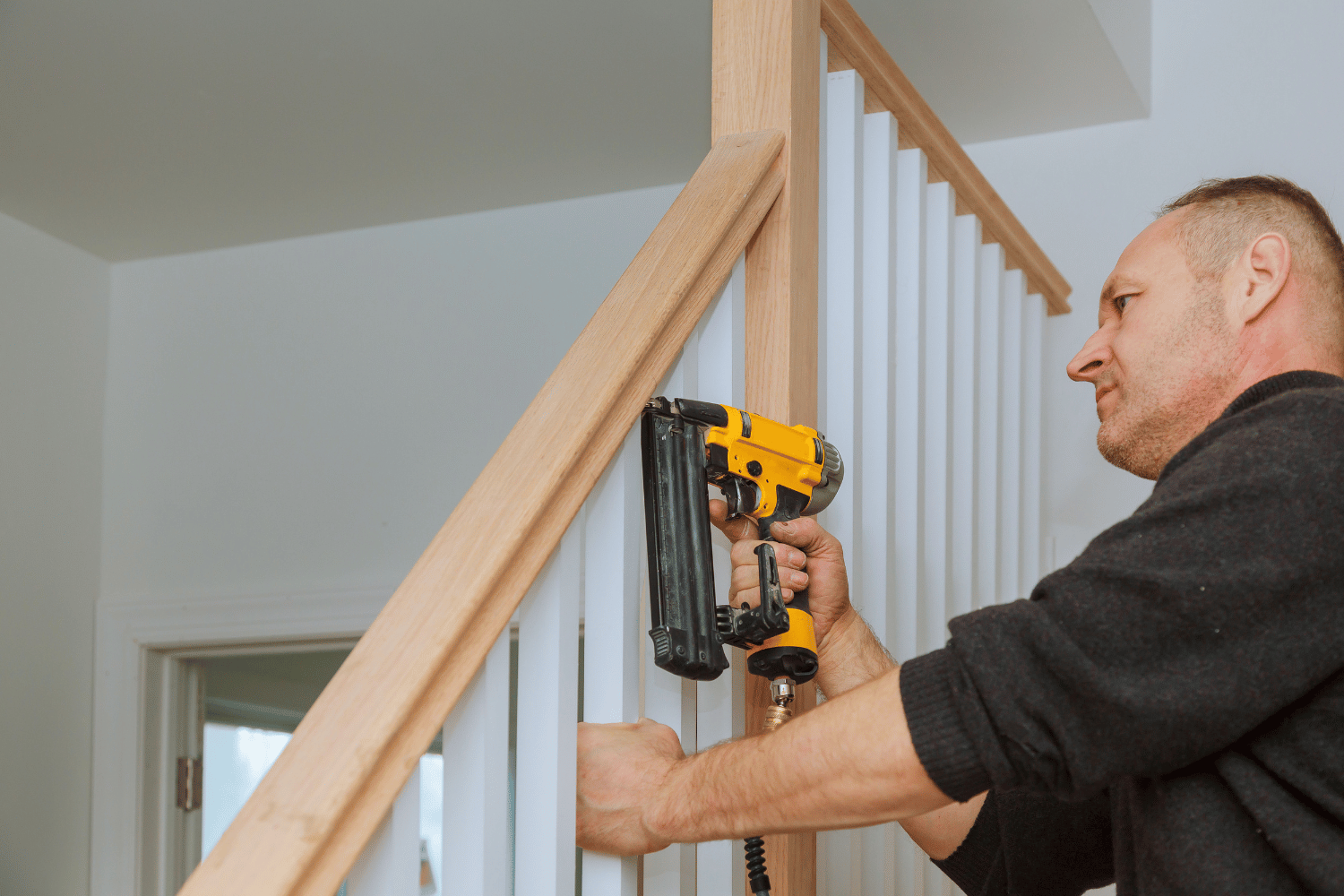
When to Use a Finish Nailer
When it comes to specific projects, using a finish nailer offers several advantages. Firstly, the finish nailer provides a stronger hold due to the larger gauge nails it uses, making it ideal for securing heavier trim and molding.
Secondly, this tool leaves behind smaller nail holes that are easier to conceal, resulting in a more professional and polished finish.
Lastly, using a finish nailer is beneficial for projects such as installing baseboards, crown molding, window casings, and door jambs where precision and stability are crucial.
However, it’s important to note that finish nailers have their limitations. They are not suitable for tasks that require high holding power or when joining thicker materials together since they use thinner gauge nails compared to other types of nailers.
Additionally, using a finish nailer on delicate surfaces can cause damage if not used with care.
Advantages of Using a Finish Nailer for specific projects
If you’re looking to add a touch of elegance to your woodworking projects, using a finish nailer is the way to go. There are numerous advantages of using a finish nailer for specific projects. Here are three key reasons why you should consider using a finish nailer:
- Enhanced Aesthetics: A finish nailer leaves behind small, inconspicuous holes that can easily be filled and painted over, resulting in a seamless finish that enhances the overall appearance of your project.
- Increased Strength: Finish nails are thicker and longer than brad nails, providing greater holding power and structural integrity to your workpieces. This makes them ideal for attaching heavier trim pieces or securing joints.
- Versatility: With their larger size and stronger hold, finish nails can be used on a wide range of materials, including hardwoods and MDF boards.
By utilizing these advantages, you’ll achieve professional-looking results with precise control over your woodworking projects.
Now let’s explore some examples of projects where the use of a finish nailer is particularly beneficial without skipping a beat.
Examples of Projects where a Finish Nailer is beneficial
Now that you understand the advantages of using a finish nailer for specific projects, let’s explore some examples of projects where this tool can be particularly beneficial. To give you a clearer picture, I’ve created a table below that highlights four different types of projects and how the finish nailer excels in each one.
| Project Type | Description |
|---|---|
| Cabinet Installation | The finish nailer is perfect for securely attaching cabinets to walls, ensuring they remain stable and durable. |
| Trim Work | When it comes to installing trim such as baseboards, crown molding, or window casings, the precision and clean finish provided by the finish nailer are unparalleled. |
| Furniture Construction | Building furniture often involves joining various pieces together seamlessly. The finish nailer allows you to do this with ease and accuracy while minimizing visible fasteners. |
| Paneling Installation | Whether it’s wall paneling or wainscoting, the finish nailer effortlessly attaches panels without leaving unsightly holes or damaging the material. |
By understanding these contextually relevant examples, you can see just how beneficial a finish nailer can be for various projects. Now let’s delve into the limitations of using a finish nailer in our next section.
Limitations of a Finish Nailer
While using a finish nailer can provide beautiful and secure results, it’s important to be aware of its limitations. Understanding the distinctions between a brad nailer and a finish nailer is crucial in order to choose the right tool for your project.
Here are some limitations of using a finish nailer:
- Limited versatility: Unlike a brad nailer, which can handle delicate trim work, a finish nailer is more suitable for heavier applications like installing baseboards or crown molding.
- Size limitation: Finish nails are thicker than brad nails, making them less ideal for projects that require minimal visibility or filling.
- Power requirements: A finish nailer typically requires a larger air compressor compared to a brad nailer due to its higher gauge size.
While the finish nailer is an excellent power tool for certain projects, it does have limitations such as limited versatility, size restrictions, and increased power requirements. These factors should be considered when choosing between a brad nailer and a finish nailer. Moving forward into the next section about differences in nailing techniques.
Differences Between a Brad Nailer and a Finish Nailer in Nailing Techniques
To achieve the best results with a finish nailer, you’ll need to hold it at a slight angle and apply gentle pressure while nailing. Unlike brad nailers, which are used for more delicate tasks, finish nailers are designed for heavier duty projects.
The main difference between the two lies in their nailing techniques. Finish nailers use larger gauge nails compared to brad nailers, allowing for stronger and more secure attachments. This makes them ideal for attaching baseboards or other trim pieces that require extra stability.
By holding the finish nailer at an angle, you can ensure that the nails penetrate through the material and into the desired surface securely.
Transitioning into the next section about power and size comparison, it’s important to understand how these differences affect overall performance and suitability for various applications.
Comparison of Power and Size – Brad Nailers and Finish Nailers
When considering power and size, it’s crucial to explore how these factors impact the overall performance and suitability of each type of nail gun. Here is a breakdown of the distinctions between brad nailers and finish nailers in terms of power and size:
- Brad nailers are typically smaller and lighter than finish nailers, making them more maneuverable in tight spaces.
- Finish nailers are larger and heavier, providing greater driving force for thicker nails.
- Brad nailers use smaller gauge brad nails, usually ranging from 18 to 23 gauge, while finish nailers use larger gauge finish nails, commonly 15 or 16 gauge.
- The thinner brad nails used by brad nailers create smaller holes that require less touch-up work compared to the larger holes made by finish nails.
Understanding these differences in power and size allows you to choose the right tool for your specific project needs.
As we move into the next section on safety considerations, it’s important to keep in mind how these distinctions can affect your control over the nailing process.
Safety Considerations
Be aware of the potential risks involved and take necessary precautions to ensure your safety while using these powerful tools. Both the brad nailer and finish nailer have their own safety considerations that you should be mindful of.
When using a brad nailer, keep in mind that it’s designed for smaller projects and uses thinner nails, which means there’s less chance of wood splitting. However, be cautious as the small size of the nails can make them harder to handle and they may occasionally bend or break during use.
On the other hand, when using a finish nailer, which is typically used for larger projects and heavier materials, there’s an increased risk of wood splitting due to its larger gauge nails. Always wear safety glasses to protect your eyes from flying debris and use caution when handling both types of nailers as they can cause injury if not used properly.
Moving on to cost and versatility…
Cost and Versatility
The cost and versatility of these powerful tools should be considered when deciding which one to use. When comparing the brad nailer vs finish nailer, understanding the distinctions is crucial.
The finish nailer has the power to drive larger nails, making it ideal for heavy-duty projects such as trimming and molding installation. On the other hand, a brad nailer is designed for more delicate work like attaching thin trims or assembling furniture.
The difference between a brad nailer and a finish nailer lies in the gauge of nails they use. A brad nailer typically uses 18-gauge brad nails, while a finish nailer can handle 15- or 16-gauge nails.
Additionally, it’s important to note that while both types can leave small holes in the wood surface, finish nails are more likely to require puttying or touch-up painting due to their larger size.
Understanding these distinctions will help you make an informed decision when choosing between a brad nailer and a finish nailer based on your specific project needs.
Frequently Asked Questions
Can a brad nailer be used for projects that require a finish nailer?
Yes, a brad nailer can be used for projects that require a finish nailer. However, it’s important to consider the size and strength of the brad nails used, as they may not provide the same level of durability and holding power as finish nails.
Are there any safety precautions to be aware of when using a finish nailer?
When using a finish nailer, it is important to follow safety precautions. Wear protective eyewear and gloves, ensure proper ventilation, and never point the nailer at yourself or others. Always disconnect power before performing maintenance.
How do the costs of brad nailers and finish nailers compare?
The costs of brad nailers and finish nailers vary. Brad nailers are typically less expensive, starting at around $50, while finish nailers can range from $100 to $500 depending on the brand and features.
Can a finish nailer be used for smaller projects that typically require a brad nailer?
Yes, a finish nailer can be used for smaller projects that typically require a brad nailer. It provides more holding power and is suitable for attaching trim, while still allowing for easy concealment of the nail heads.
What are some examples of projects that require both a brad nailer and a finish nailer?
For some projects, you’ll need both a brad nailer and a finish nailer. Examples include trim work where the brad nailer is used for delicate pieces and the finish nailer for larger pieces that require more holding power.
Final Thoughts
In conclusion, when it comes to choosing between a brad nailer and a finish nailer, it’s important to understand the distinctions between these two tools. Both have their own specific uses and are suited for different projects.
Brad nailers excel in smaller scale projects such as trim work and light woodworking, while finish nailers are ideal for larger construction tasks like installing baseboards or crown molding. Additionally, the nailing techniques differ slightly between the two tools.
It’s crucial to consider factors such as power, size, safety considerations, cost, and versatility before making a decision. By understanding these differences, you can make an informed choice that best suits your specific project requirements.