The TopTierTool Guide to Cordless Drills

Welcome to our Ultimate Guide to Cordless Drills. Cordless drills have become indispensable tools for various tasks, from DIY projects to professional construction work. In this comprehensive guide, we’ll delve into the world of cordless drills, exploring different types and their unique features.
Understanding the nuances of cordless drills is essential before making a purchase, as selecting the right tool can greatly impact the success of your projects. We’ll navigate through the three primary types of cordless drills: standard cordless drills, hammer drills, and impact drivers. Each type serves specific purposes, from basic drilling to tackling challenging materials like masonry.
Beyond the types, we’ll uncover the key features that differentiate one cordless drill from another. From power and torque to battery types, chuck sizes, and ergonomic design, these factors play a crucial role in enhancing your drilling experience.
By the end of this guide, you’ll be equipped with the knowledge needed to make an informed decision when choosing the perfect cordless drill for your needs. Let’s dive in and explore the world of cordless drills together.

Exploring Cordless Drill Types
Standard Cordless Drills
Standard cordless drills serve as the foundation for many tool collections. These versatile tools are designed for a wide range of tasks, making them an ideal choice for beginners and seasoned DIY enthusiasts alike.
Key Features and Functions
Standard cordless drills excel at basic drilling tasks in materials like wood, plastic, and even light metals. Their straightforward design and easy-to-use controls make them a popular choice for those new to power tools. The absence of the impact mechanism allows for smoother operation, which is beneficial for delicate projects where precision is crucial.
Pros
- Versatile for everyday tasks.
- User-friendly, suitable for beginners.
- Less aggressive drilling action minimizes the risk of damaging surfaces.
Cons
- Limited effectiveness on tough materials like concrete.
- May lack the force needed for heavy-duty applications.
Best for
Standard cordless drills are perfect for general household repairs, assembling furniture, and completing various DIY projects that involve drilling into common materials. If you’re seeking a reliable all-rounder, a standard cordless drill might be the ideal choice to meet your needs.
In the next sub-section, we’ll delve into hammer drills and impact drivers, which offer specialized features for more demanding projects.
Hammer Drills and Impact Drills
Hammer drills and impact drivers bring a higher level of power and versatility to your toolkit. These specialized cordless drills are designed to conquer challenging materials and tasks, making them essential for projects that demand extra force.
Cordless Hammer Drills
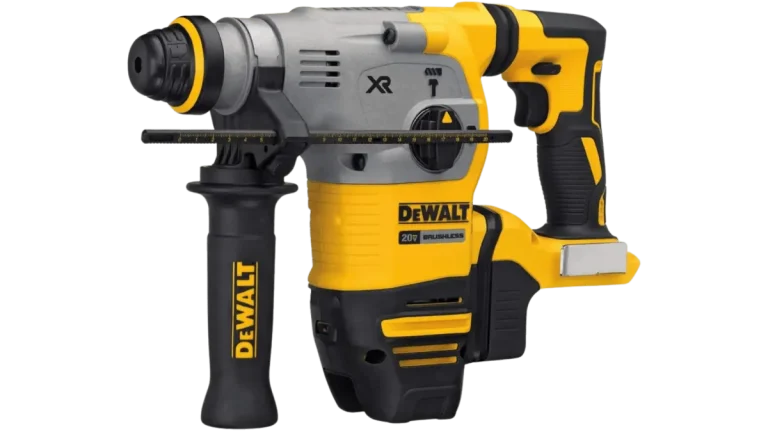
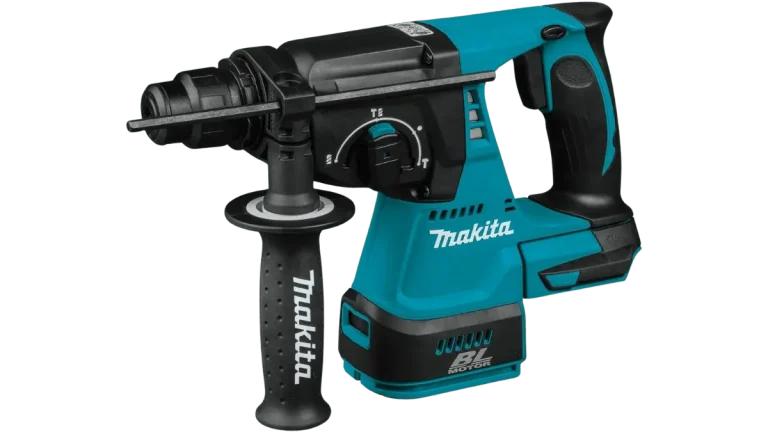
Hammer drills feature a unique pulsating mechanism that delivers a combination of drilling and hammering action. This allows them to effortlessly penetrate tough surfaces like concrete, brick, and stone. The pulsing force, or “hammering,” aids in breaking through hard materials without straining the user. Hammer drills are particularly useful for tasks like installing anchors or creating holes for electrical and plumbing work in masonry.
Impact Drivers
Impact drills, often referred to as impact drivers, are engineered for driving screws with exceptional efficiency. These drills apply a rotational force coupled with rapid concussive blows, enabling them to power through even the most stubborn fasteners. Impact drivers are excellent for tasks that involve repetitive screwing, such as assembling furniture or constructing a deck.
Pros
- Superior performance on tough materials.
- Reduced effort and strain during drilling and screwing.
- Faster completion of tasks compared to standard drills.
Cons
- Less suitable for delicate tasks that require precision.
Best for
Hammer drills excel in construction and renovation projects that involve drilling into concrete, stone, and masonry. Impact drivers are ideal for tasks requiring extensive screwing, such as building decks, installing cabinetry, and assembling structures.
As we continue, we’ll explore the hybrid combination of hammer drill drivers, a versatile option that combines drilling, hammering, and driving capabilities into a single tool.
Combination Hammer Drill Drivers
Combination hammer drill drivers are the Swiss Army knives of cordless drills, merging the functions of standard drills, hammer drills, and driving tools into a single, versatile device. These advanced tools offer a dynamic range of capabilities, making them a favorite among professionals and DIY enthusiasts with diverse project needs.
Key Features and Advantages
Combination hammer drill drivers integrate the drilling prowess of standard drills with the impact force of hammer drills. This means you can seamlessly transition between tasks like drilling pilot holes in wood to chiseling through concrete. The versatility extends further with the ability to drive screws efficiently, streamlining projects and minimizing the need for multiple tools.
Pros
- All-in-one solution for drilling, hammering, and driving.
- Saves time and space by reducing the need for multiple tools.
- Well-suited for comprehensive construction and renovation projects.
Cons
- May have a steeper learning curve due to the variety of functions.
- Typically comes with a higher price tag.
Best for
Combination hammer drill drivers are essential for professionals and avid DIYers tackling extensive projects that involve various materials. From constructing a new deck to remodeling a room, these tools offer the flexibility needed to handle diverse tasks without needing to switch between different tools.
In the following sections, we’ll delve deeper into the features that set cordless drills apart, helping you make an informed decision when choosing the right drill for your needs.
Cordless Power Drill Features to Consider
Power and Torque
The power and torque of a cordless drill are two fundamental aspects that greatly influence its performance. Understanding these factors will empower you to select a drill that can handle your tasks effectively and with ease.
Power Defined
The power of a cordless drill is usually indicated by its voltage, measured in volts (V). Higher voltage generally translates to more power, which is essential for drilling through tough materials or completing heavy-duty tasks. Keep in mind that higher voltage often leads to increased weight, so it’s important to strike a balance between power and portability.
Torque Explained
Torque measures the twisting force applied by the drill. It determines the drill’s ability to drive screws and overcome resistance. Torque is often quantified in inch-pounds (in-lbs) or newton-meters (Nm). For tasks like driving screws into dense materials, a drill with higher torque is indispensable.
Matching Power and Torque to Tasks
Choosing the right power and torque for your projects is vital. For lightweight tasks like assembling furniture or drilling into soft woods, a drill with moderate power and torque should suffice. On the other hand, if you’re venturing into heavy-duty applications like drilling into masonry or driving large screws, opt for a higher-powered drill with ample torque.
Consideration Tips
- Assess the types of projects you frequently undertake.
- Balance power and torque with the drill’s intended usage.
- Remember that while high power and torque are advantageous, they may not be necessary for every project.
Understanding the relationship between power, torque, and task requirements will guide you in selecting a cordless drill that aligns perfectly with your needs. In the upcoming sections, we’ll explore other crucial features that contribute to a cordless drill’s effectiveness and convenience.
Battery Types, Capacity, and Chargers
The battery of a cordless drill is its life force, determining how long you can work before needing a recharge. Understanding battery types and capacity is essential for optimizing your work efficiency and ensuring uninterrupted progress.
Lithium-ion vs. Ni-Cd Batteries
Cordless drills predominantly feature two types of batteries: lithium-ion (Li-ion) and nickel-cadmium (Ni-Cd). Lithium-ion batteries offer several advantages, including longer runtimes, lighter weight, plenty of power, and no memory effect, which means they can be charged at any level without harming the battery’s life. In contrast, Ni-Cd batteries tend to be heavier, have shorter runtimes, and may suffer from the memory effect if not charged properly.
Battery Capacity and Runtime
Battery capacity is measured in ampere-hours (Ah) and indicates how much energy the battery can store. The higher the capacity, the longer the runtime of your drill. For longer projects, opt for a higher-capacity battery to avoid frequent interruptions for recharging.
Battery Chargers
Battery chargers play a crucial role in maintaining your cordless drill’s battery health. Opt for drills that come with smart chargers, which monitor the battery charge level and adjust the charging process to prevent overcharging and maximize battery lifespan.
Maximizing Battery Life
To extend the lifespan of your cordless drill’s battery:
- Store batteries in a cool, dry place.
- Avoid overcharging or deep discharging.
- Charge the battery before it’s fully depleted.
Consideration Tips
- Prioritize drills with lithium-ion batteries for longer runtimes and lighter weight.
- Choose battery capacity based on the average duration of your projects.
- Keep spare batteries on hand for extended tasks.
Selecting a cordless drill with the right battery type and capacity will enhance your work efficiency and overall satisfaction with the tool. As we continue, we’ll explore other features that contribute to a cordless drill’s effectiveness and comfort during use.
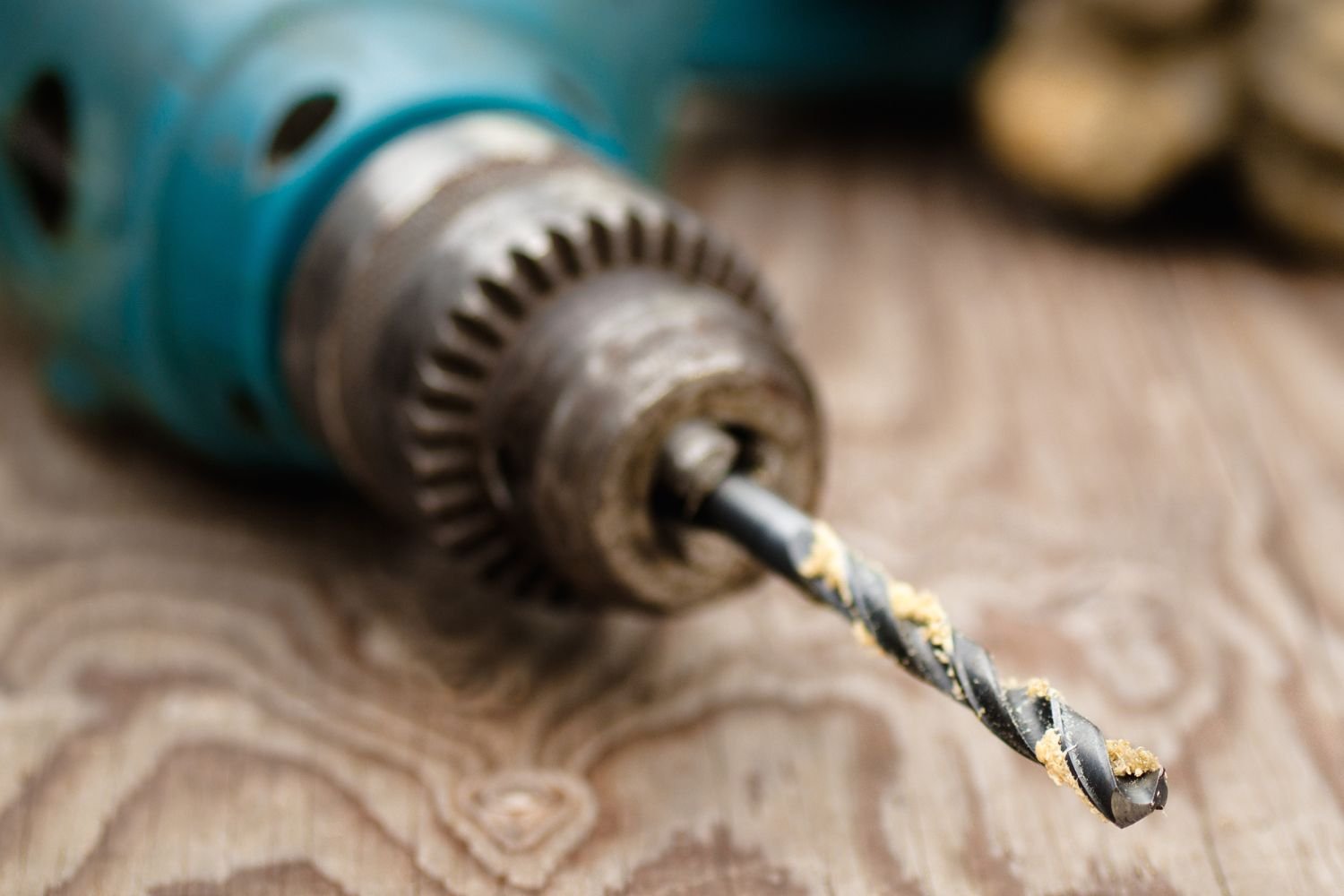
Chuck Types and Sizes
The chuck of a cordless drill is the mechanism that holds the drill bit securely in place. Understanding chuck types and sizes is crucial for selecting a drill that accommodates various drill bits and enhances your drilling versatility.
Keyless and Keyed Chucks
Cordless drills typically come with either keyless chucks or keyed chucks. Keyless chucks allow you to change drill bits quickly without needing a special key. This convenience makes them popular for fast-paced projects. Keyed chucks, on the other hand, require a chuck key to tighten or loosen the chuck. While they might take a bit longer to use, they often provide a more secure grip on the drill bit.
Chuck Sizes
Chuck sizes indicate the maximum diameter of the drill bit that the chuck can accommodate. Common sizes for cordless drills are 3/8 inch and 1/2 inch. A 3/8-inch chuck is suitable for most drilling tasks and can handle smaller bits. A 1/2-inch chuck is more versatile and can accommodate larger bits for heavier-duty projects.
Selecting the Right Chuck
Choose the chuck type and size based on your typical projects:
- If you frequently switch between drill bits, a keyless chuck may be more convenient.
- For precision drilling or heavy-duty tasks, a keyed chuck might provide a more stable hold.
Consideration Tips
- Assess the range of drill bits you plan to use.
- Prioritize convenience or enhanced grip based on your work style.
- Select a chuck size that aligns with the drill bits you commonly use.
Understanding chuck types and sizes empowers you to work with a variety of drill bits, making your cordless drill a versatile tool for a wide range of projects. As we proceed, we’ll explore additional features that contribute to the overall effectiveness and comfort of cordless drills.
Speed and Clutch Settings
The speed and clutch settings of a cordless drill play a vital role in tailoring the tool’s performance to the specific task at hand. Understanding how these settings work will enable you to achieve precise results while avoiding potential mishaps.
Variable Speed Settings
Cordless drills often feature variable speed settings, allowing you to adjust the drilling speed based on the material and task. Lower speeds are ideal for drilling into delicate materials like wood, while higher speeds are suitable for dense materials like metal. This adaptability ensures cleaner holes and prevents damage to both the material and the drill bit.
Clutch Settings and Overdriving Prevention
The clutch is a valuable feature that prevents a powerful drill from overdriving screws into surfaces. The clutch disengages the drill’s motor when a certain level of resistance is met, preventing screws from sinking too deep and damaging the material. Adjusting the clutch setting to match the screw size and material helps achieve consistent results.
Choosing the Right Settings
Selecting the appropriate speed and clutch settings depends on the material, task, and desired outcome:
- For precise drilling and screwing, start with lower speeds and lower clutch settings.
- Gradually increase the speed and clutch setting as needed for denser materials.
Consideration Tips
- Familiarize yourself with the materials you commonly work with.
- Experiment with different speed and clutch settings on scrap material to find the optimal combination.
- Pay attention to the drill’s sound and performance to gauge the effectiveness of your settings.
Mastering the speed and clutch settings allows you to work confidently on a variety of projects, achieving professional results without compromising the quality of your work. As we proceed, we’ll delve into additional features that contribute to the overall efficiency and comfort of cordless drills.
LED Lights and Ergonomics
Modern cordless drills come equipped with features that enhance both visibility and user comfort. Understanding the significance of LED lights and ergonomic design will elevate your drilling experience, making tasks more efficient and enjoyable.
LED Lights for Enhanced Visibility
Many cordless drills now include built-in LED lights near the drill bit area. These lights illuminate the work surface, improving visibility in dimly lit areas or when working in confined spaces. LED lights eliminate shadows, allowing you to precisely position the drill bit and achieve accurate results.
Ergonomic Design for Comfort
Ergonomics refers to the design of tools with user comfort in mind. Cordless drills with ergonomic features offer a comfortable grip, reducing strain during prolonged use. Rubberized handles and well-balanced designs provide better control and minimize hand fatigue, making them an asset for longer projects.
Advantages of LED Lights and Ergonomics
- LED lights ensure accurate drilling, even in low-light conditions.
- Ergonomic design minimizes discomfort and strain during extended use.
- Enhanced control results in cleaner, more precise holes and screws.
Consideration Tips
- Prioritize drills with LED lights for projects that require precision.
- Test the grip and weight of the drill to ensure ergonomic comfort before purchasing.
- Opt for a balance between LED lighting and ergonomic design for optimal performance.
The inclusion of LED lights and ergonomic features in cordless drills showcases advancements that prioritize user convenience and efficiency. As we continue, we’ll explore additional factors that contribute to the overall effectiveness and comfort of these indispensable tools.

Factors for Choosing the Right Cordless Drill
Project Scope and Material
Selecting the ideal cordless drill begins with a thorough understanding of the projects you’ll be tackling and the materials you’ll be working with. Taking into account the scope of your tasks and the specific materials you’ll encounter will guide you in making a well-informed decision.
Identifying Project Scope
Assess the nature and scale of the projects you commonly undertake. Consider whether your tasks involve light repairs, extensive renovations, woodworking, or more specialized work like drilling into concrete. Different projects demand different levels of power and functionality.
Considering Materials
The materials you’ll be drilling into play a crucial role in drill selection. Common materials include wood, metal, plastic, and concrete. Each material has distinct properties that influence the choice of drill type and power. For instance, drilling into metal requires a drill with sufficient power and the appropriate drill bit.
Aligning Drill Types with Projects and Materials
- For general household repairs, standard cordless drills are often sufficient.
- When working with masonry or concrete, hammer drills or impact drills excel.
- Combination hammer drill drivers offer versatility for mixed-material projects.
Consideration Tips
- List the types of projects you anticipate in the near future.
- Identify the primary materials you’ll be drilling into.
- Choose a drill that matches both project scope and materials to ensure optimal performance.
By considering the scope of your projects and the materials you’ll encounter, you’ll be well-equipped to select a cordless drill that seamlessly aligns with your specific needs. As we continue, we’ll delve into other essential factors that contribute to the perfect cordless drill choice.
Skill Level and Frequency of Use
When selecting a cordless drill, considering your skill level and the frequency with which you’ll be using the tool is pivotal. Tailoring your choice to match your experience and usage patterns will ensure a tool that meets your capabilities and requirements.
Assessing Skill Level
Evaluate your familiarity with power tools. If you’re a beginner, a user-friendly cordless drill with straightforward controls and safety features will be beneficial. If you have more experience, you might explore drills with advanced functions that enhance your capabilities.
Determining Frequency of Use
Consider how often you’ll be reaching for your cordless drill. Are you a weekend DIY enthusiast, a professional contractor, or somewhere in between? Those who use their drill frequently will benefit from investing in a more robust and durable option, while occasional users might opt for a reliable, budget-friendly model.
Matching Skill Level and Frequency
- Beginners may prefer standard cordless drills for their simplicity.
- Intermediate users can explore hammer drills or impact drills for more versatility.
- Experienced individuals might find combination hammer drill drivers a valuable addition to their toolkit.
Consideration Tips
- Be honest about your skill level and comfort with power tools.
- Determine how often you’ll be using the drill for various tasks.
- Choose a drill that aligns with both your skill level and frequency of use.
By aligning your skill level and the frequency of your tool usage with your cordless drill choice, you’ll ensure a seamless and enjoyable experience while working on your projects. In the upcoming sections, we’ll delve into other essential factors to consider when selecting the perfect cordless drill for your needs.
Budget and Investment
Determining your budget and considering your investment in a cordless drill is a crucial step in making a well-balanced choice. Balancing your financial constraints with the features you need will lead to a satisfying purchase that aligns with your needs.
Setting a Realistic Budget
Before exploring cordless drill options, establish a budget that you’re comfortable with. This budget will serve as a guiding factor and prevent you from overspending on features you may not require.
Value vs. Features
While a higher-priced cordless drill may come with a variety of advanced features, it’s essential to consider whether those features are relevant to your projects. A more budget-friendly option might offer the necessary functions without unnecessary extras.
Quality and Longevity
Remember that investing a bit more in a high-quality cordless drill can pay off in the long run. A well-constructed tool with durable components is likely to outlast cheaper alternatives and deliver consistent performance over time.
Consideration Tips
- Define a clear budget range before browsing for drills.
- Evaluate whether advanced features are necessary for your projects.
- Weigh the cost against the expected quality and lifespan of the tool.
Balancing your budget and investment will lead to a satisfying purchase that meets your needs without straining your finances. As we continue, we’ll delve into additional factors to consider when selecting the perfect cordless drill for your tasks and preferences.
Brand Reputation and Warranty
Considering the reputation of the brand and the warranty offered with a cordless drill is a smart strategy to ensure reliability, support, and peace of mind throughout your tool’s lifespan.
Evaluating Brand Reputation
Reputable brands often prioritize quality, performance, and customer satisfaction. Research well-known brands that have a history of producing reliable power tools. Online reviews, recommendations from friends, and professional opinions can guide you toward trustworthy options.
Understanding Warranty Coverage
A warranty reflects the manufacturer’s confidence in their product’s quality. Look for drills with warranties that cover both parts and labor. Longer warranty periods indicate the brand’s commitment to standing behind their product.
Customer Support and Service
A brand’s customer support is equally significant. Investigate their reputation for responsiveness and helpfulness in addressing customer inquiries, troubleshooting, and potential repairs.
Consideration Tips
- Research brands with a positive track record in power tool manufacturing.
- Opt for cordless drills with comprehensive warranties that reflect the brand’s confidence.
- Read customer reviews and testimonials to gauge the brand’s customer support quality.
Prioritizing brand reputation and warranty coverage ensures that you’re investing in a cordless drill that’s backed by both reliability and excellent customer service. As we conclude, you’ll be well-equipped to make an informed decision, selecting the perfect cordless drill that aligns perfectly with your needs and preferences.
Final Thoughts
In the journey of selecting the best cordless drill, we’ve explored an array of factors that guide your decision and ensure the tool you choose seamlessly integrates into your home improvement projects. Understanding cordless drill types, features, and the considerations that matter most empowers you to make an informed choice that aligns precisely with your needs.
Whether you’re a DIY enthusiast embarking on household repairs or a seasoned professional tackling complex construction projects, the right cordless power drill is a vital companion. By delving into the nuances of power, battery capacity, chuck types, ergonomic design, and more, you’re equipped to select a tool that enhances both your efficiency and the quality of your work.
Remember, your selection hinges on your project scope, skill level, and budget. Additionally, prioritizing reputable brands with solid warranties ensures your investment is well-protected. Armed with this knowledge, you’re ready to confidently choose the ideal cordless drill, an indispensable tool that empowers you to bring your projects to life with precision and ease.
FAQs
What is the difference between a cordless drill and a corded drill?
A cordless drill is powered by a rechargeable battery, allowing for greater mobility and convenience. On the other hand, a corded drill is powered by an electrical cord connected to a power source, offering constant and uninterrupted power.
What is the advantage of using a brushless cordless drill?
A brushless cordless drill offers several advantages over brushed drills. It provides higher efficiency, longer runtime, increased power, and extended lifespan. Additionally, brushless motors require less maintenance and generate less heat during operation.
What is the significance of the voltage rating in a cordless drill?
The voltage rating in a cordless drill indicates the power output. Higher voltage drills typically offer greater torque and are suitable for heavy-duty applications, while lower voltage drills are more suitable for general-use tasks.
How many batteries are included in a drill kit?
Most drill kits come with two batteries. This allows you to have one battery charging while the other is in use, ensuring continuous operation without interruptions.
Which cordless drill has the longest battery life?
Several cordless drills on the market offer impressive battery life. However, the milwaukee’s cordless drill has been praised for its exceptionally long battery life, allowing for extended usage without frequent recharging.
Is the drill compatible with other cordless tools from the same brand?
Yes, many cordless tool manufacturers produce a range of tools that are compatible with the same battery system. For example, DeWalt drill batteries are interchangeable with other DeWalt cordless tools, offering versatility and convenience.
What features should I consider when choosing a cordless drill?
When selecting a cordless drill, it’s important to consider factors such as power, battery life, ergonomics, weight, speed settings, chuck size, and additional features like LED lights and auxiliary handles.
Can I use my cordless drill for heavy-duty applications?
Yes, there are several cordless drills specifically designed for heavy-duty applications. Look for terms like “heavy-duty cordless drill” or “drill driver kit” in the product descriptions to find models that can handle demanding tasks.
What is the difference between a brushed and a brushless drill?
A brushed drill utilizes carbon brushes to transfer power between the motor and the drill bit, resulting in friction and wear. A brushless drill, on the other hand, uses magnets to generate power, eliminating the need for brushes and reducing friction, heat, and maintenance requirements.