What is a Scroll Saw and How Do You Use It?

Have you ever marveled at the intricate designs and precise cuts in a beautiful piece of woodwork? The secret behind such craftsmanship often lies in the use of a versatile and precise tool: the scroll saw. This beginner-friendly power tool can help you create stunning woodworking projects with ease. In this guide, you’ll learn about the components, applications, and tips for using a scroll saw effectively, so you can bring your woodworking dreams to life.
Short Summary
- Scroll saws are power tools used for precise and intricate cuts in various materials.
- Different types of scroll saw blades offer distinct advantages, making them suitable for woodworking projects, cutting a variety of materials and creating dovetail joints.
- Safety guidelines must be followed when using a scroll saw to maximize safety. Select the right one by considering price range, throat length, cutting capacity & additional features/accessories.
Understanding the Scroll Saw
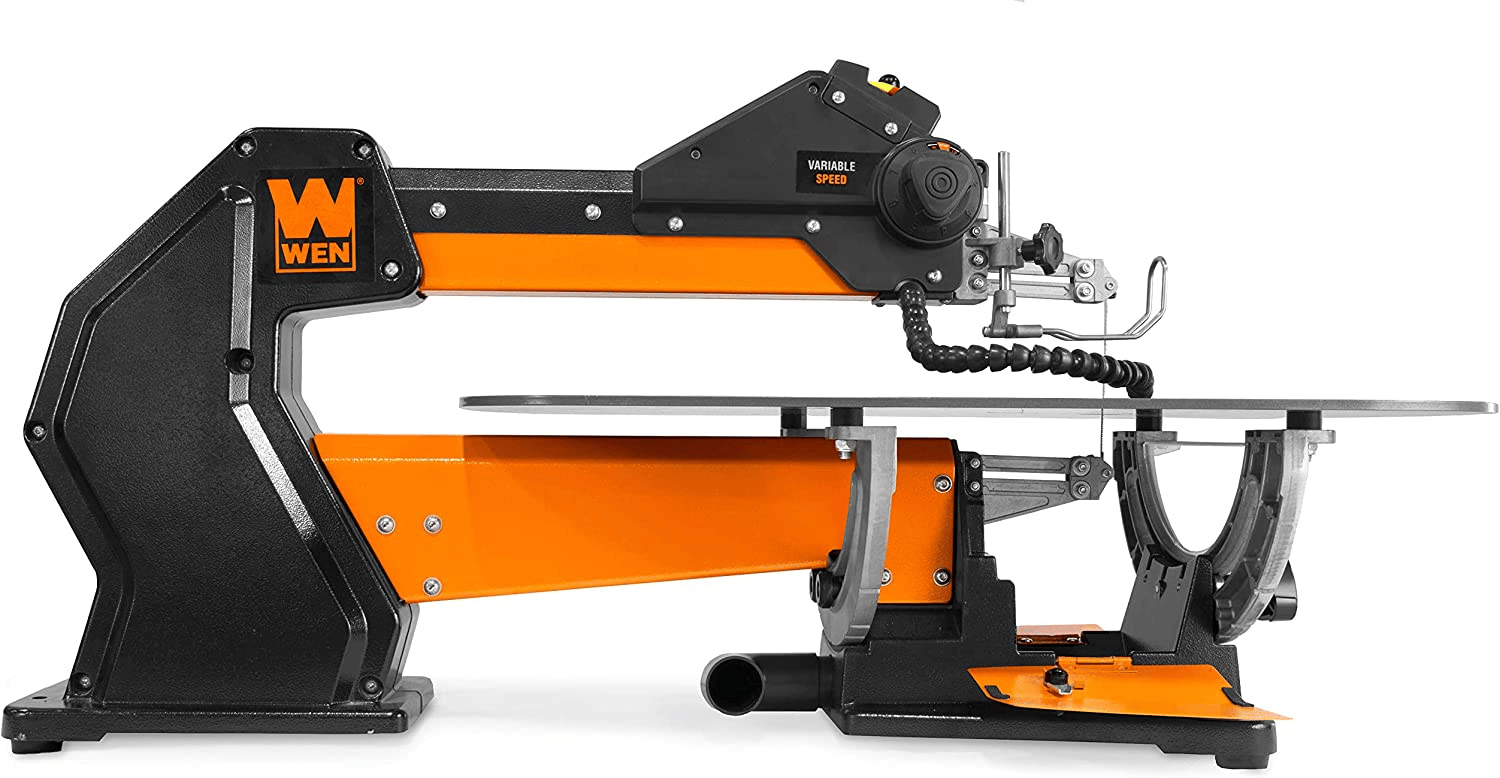
A scroll saw is a power tool used for making intricate cuts in wood, metal, or other materials with an up and down motion. Its fine blade allows for more precise cuts than a power jigsaw, making it perfect for creating decorative embellishments like scrollwork. One of the key aspects to consider when choosing a scroll saw is the throat size, which is the distance between the rear of the blade and the rear of the saw. This dimension dictates the size of the material that can be worked with, and the cutting performance can be influenced by the type of blade used.
Scroll saws are similar to band saws, but their oscillating blade allows for convenient internal profiles. The throat depth of a scroll saw determines the maximum size of a piece of wood that can be cut, and the type of blade used, such as spiral blades, can affect the cutting capabilities.
With modern scroll saws featuring a “constant tension” design, the tension on the blade remains consistent, making it easier to use than older rigid arm scroll saws that require tension adjustments with each stroke.
Components of a Scroll Saw
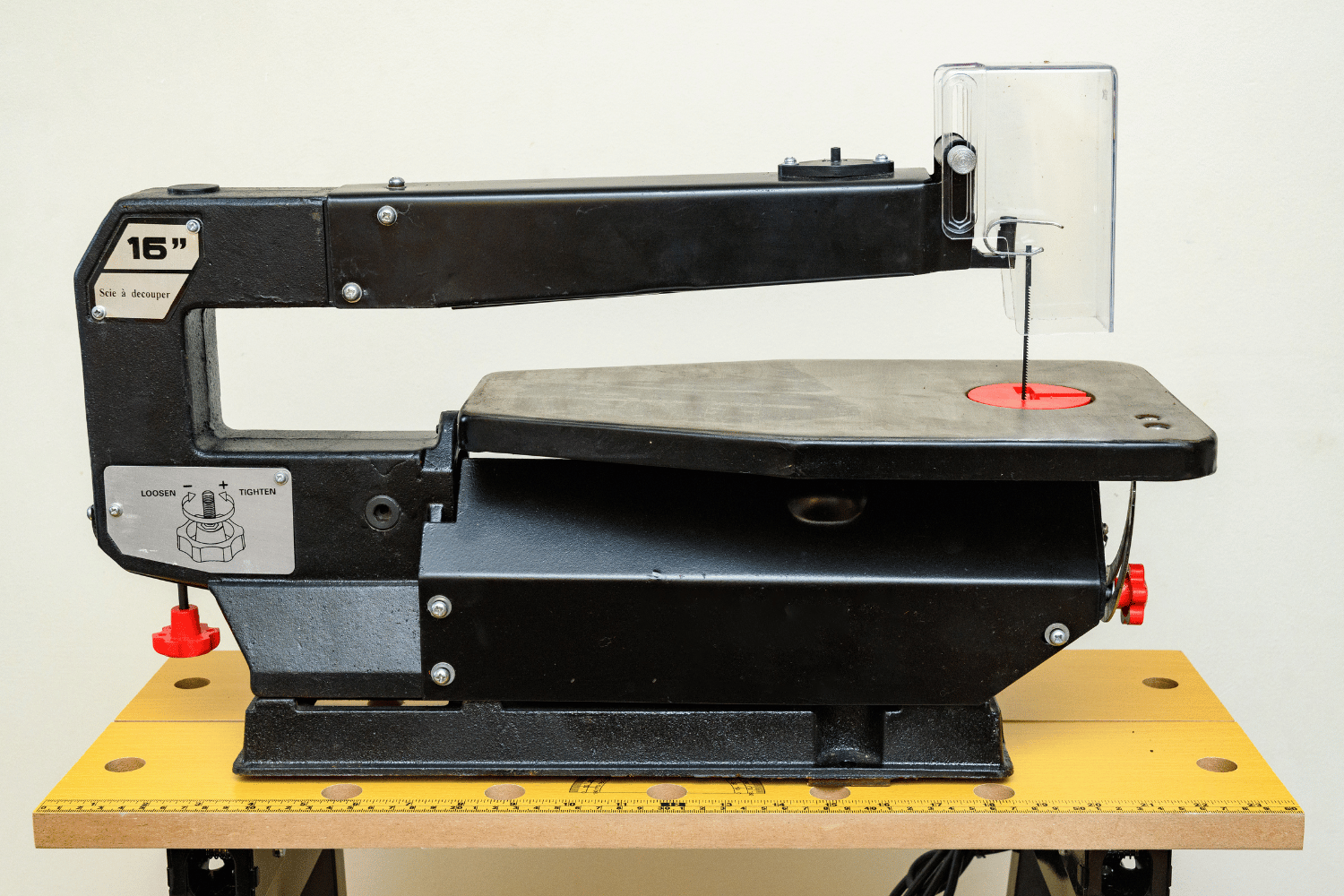
A typical scroll saw consists of a flat table, an arm extending above the table, a tip connecting the saw blade, a hole in the table for the blade to connect to the motor located beneath the table, a base containing the legs and motor, and a throat extending from the back of the saw to the blade. Each component plays a crucial role in the functionality of the scroll saw, ensuring stability and precision during the cutting process.
Understanding these components will help you operate the scroll saw more effectively and maintain it for long-lasting performance.
Types of Scroll Saws
There are three types of scroll saws available: parallel arm, C-arm, and parallel link. Parallel arm scroll saws have two arms that are parallel to each other, with the blade attached to the ends of the arms. These saws are considered to be the safest and most stable, thanks to their robust design and constant tension on the blade.
C-arm scroll saws, on the other hand, feature a solid “C” shaped arm, with the blade mounted between the two ends of the “C”. While these saws also offer precision and stability, it’s important to note that if the blade breaks, the top will continue to oscillate until the power is shut off.
Lastly, parallel link scroll saws are characterized by rods in the upper and lower arms that are actuated by the motor to move short articulated arms which secure the blade. This design offers less vibration and smoother operation, making it a popular choice for many woodworkers.
Scroll Saw Applications

Scroll saws are incredibly versatile tools, allowing you to create intricate cuts in wood, as well as cut dovetail joints. They can also be used to cut various materials, including metal (with a jeweler’s blade), plastic, and foam. This adaptability makes scroll saws an invaluable addition to any woodworking workshop, whether you’re a seasoned professional or just starting your journey in the world of woodworking.
Scroll saws are easy to use and require minimal setup, making them ideal for beginners. They are also relatively inexpensive, so you don’t have to break the bank to get started. With the right blade.
Intricate Woodworking
Scroll saws excel in intricate woodworking tasks, making them indispensable for projects that require precision and attention to detail. Examples of such projects include inlay work, musical instruments, puzzles, and other decorative pieces.
The fine blade of a scroll saw allows for virtually undetectable kerf, which is the width of the cut left by the blade. This precision is what sets scroll saws apart from other power tools and enables you to create stunning, intricate woodwork effortlessly.
Cutting Various Materials
Scroll saws are not limited to woodworking; they can also cut a wide range of materials, such as metal, plastic, and foam. The key to cutting different materials with a scroll saw is selecting the appropriate blade for the material. Different materials require different blades, and using the correct blade ensures optimal cutting performance and prevents damage to both the material and the scroll saw.
As always, safety is crucial when cutting various materials, so make sure to wear safety glasses and a dust mask to protect your eyes and lungs from flying debris.
Creating Dovetail Joints
Dovetail joints are known for their strength and longevity, making them a popular choice for woodworking connections. With a scroll saw, you can create precise dovetail joints by cutting interlocking pieces on two pieces of wood. This requires a combination of a saw, chisel, and router to achieve a perfect fit.
Mastering the creation of dovetail joints with a scroll saw adds another level of sophistication to your woodworking projects, further showcasing the versatility of this incredible tool.
Selecting the Right Scroll Saw Blade
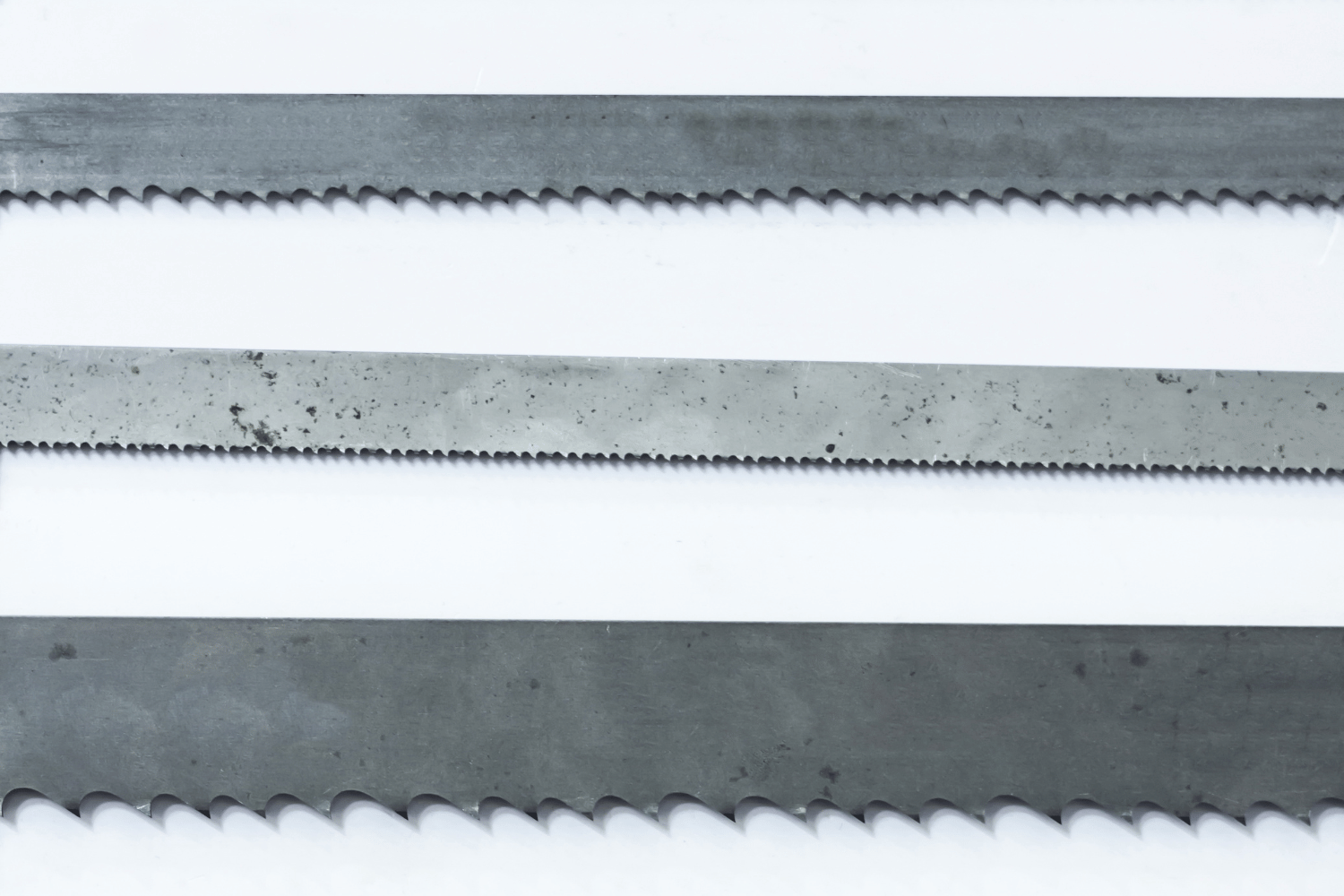
Choosing the right blade for your scroll saw is essential to achieve the desired cutting results. There are two primary types of scroll saw blades: plain end (pinless) and pin end blades. Each type of blade has its advantages and disadvantages, depending on the material and the cut you’re aiming for.
In this section, we’ll discuss the different styles and sizes of blades available, as well as their TPI (teeth per inch) ratings, to help you make an informed decision when selecting a scroll saw blade.
Blade Types
There are various types of fine blades available for scroll saws, each designed for specific cutting tasks. Some common blade types include standard tooth blades, which have teeth placed at even intervals, and reverse tooth blades, where the final few teeth at the base face upwards. These blade cuts cater to different materials and projects, with regular flat blades being one of the options.
Other popular blade types are skip tooth blades, where alternate teeth are omitted, and double tooth blades, which feature a wide gap between two sets of teeth. Understanding the differences between these blade types, including smaller blades, will help you choose the most suitable one for your specific project and material.
Blade Sizes and TPI Ratings
Blade size and TPI ratings are directly proportional: larger blade sizes have lower TPI ratings, while smaller blade sizes have higher TPI ratings. Scroll saw blades are available in sizes ranging from #12 to #2/0 or #3/0, with higher numbers indicating thicker and wider blades with fewer teeth per inch.
A higher TPI rating results in a finer cut, so it’s important to consider the material and the desired cut when selecting a blade size and TPI rating for your scroll saw.
Tips for Using a Scroll Saw

Now that you have a better understanding of scroll saws and their capabilities, it’s time to put that knowledge into practice.
In this section, we’ll share tips for setting up your workspace, adjusting blade tension and speed, and mastering cutting techniques to make the most of your scroll saw.
Setting Up Your Workspace
A well-organized workspace is essential for safe and efficient scroll saw operation. Ensure proper lighting to clearly see your workpiece, and set up your scroll saw in a well-ventilated area to prevent the buildup of dust and debris.
Secure your scroll saw to a stable and level surface to prevent any wobbling or vibrations during use. And remember to always wear safety glasses and a dust mask to protect your eyes and lungs from flying debris.
Adjusting Blade Tension and Speed
Adjusting the blade tension and blade speed of your scroll saw is crucial for optimal cutting performance and safety. The correct tension ensures that the blade remains in place during cutting, while the speed should be adjusted based on the thickness and hardness of the workpiece.
Beginners should start at a slower speed for a more forgiving and safer cutting experience. Regularly inspect and maintain your scroll saw’s blades and lubrication to ensure smooth operation.
Mastering Cutting Techniques
Practice makes perfect when it comes to mastering cutting techniques with a scroll saw. Take your time when cutting thick wood, and cut slightly beyond the edge of the line for optimal results. For curved cuts, ensure the blade is square with the table, and sand the workpiece prior to cutting for a smoother finish.
Experiment with different blade types and sizes to find the best fit for your specific project and material. With patience and practice, you’ll soon become an expert in scroll saw cutting techniques.
Scroll Saw Safety Guidelines
While scroll saws are generally safe for beginners and even kids, it’s important to follow safety protocols to avoid accidents. Some basic safety guidelines include maintaining a two-foot perimeter around the scroll saw, wearing safety glasses, using a well-ventilated area, and avoiding loose clothing and jewelry.
By adhering to these safety guidelines, you can ensure a safe and enjoyable scroll sawing experience.
Personal Protective Equipment
When using a scroll saw, it’s essential to wear appropriate personal protective equipment to safeguard your health and prevent accidents. Safety glasses or a face shield are crucial to protect your eyes from flying debris. Additionally, a dust mask should be worn to prevent the inhalation of dust particles generated during cutting.
While gloves may seem like a good idea for added protection, they should be avoided as they can become entangled in the blade, posing a safety risk.
Operational Safety Tips
In addition to wearing personal protective equipment, it’s important to follow operational safety rules when using a scroll saw. Inspect the blade for any signs of wear or damage prior to use, and replace it if necessary. Make sure to use proper cutting techniques, such as cutting slightly beyond the edge of the line and turning the workpiece without pushing it.
Also, avoid cutting wet wood, as this can cause the blade to bind and increase the risk of accidents. By following these operational safety tips, you can minimize the risks associated with scroll saw use and focus on creating beautiful woodworking projects.
Choosing the Perfect Scroll Saw for Your Needs
With so many scroll saws on the market, it can be overwhelming to choose the perfect one for your needs. Factors to consider include price range, throat length, cutting capacity, and additional features and accessories.
In the following sections, we’ll discuss these factors in more detail, helping you make an informed decision when selecting the ideal scroll saw for your woodworking projects.
Price Range and Quality
Scroll saws are available at various price points, ranging from around $125 to $1,000, depending on the quality and features. For beginners, a scroll saw in the $150 to $400 price range is recommended, as it offers a good balance of quality and affordability.
As you gain experience and skill, you may want to invest in a higher-quality scroll saw with more advanced features and capabilities.
Throat Length and Cutting Capacity
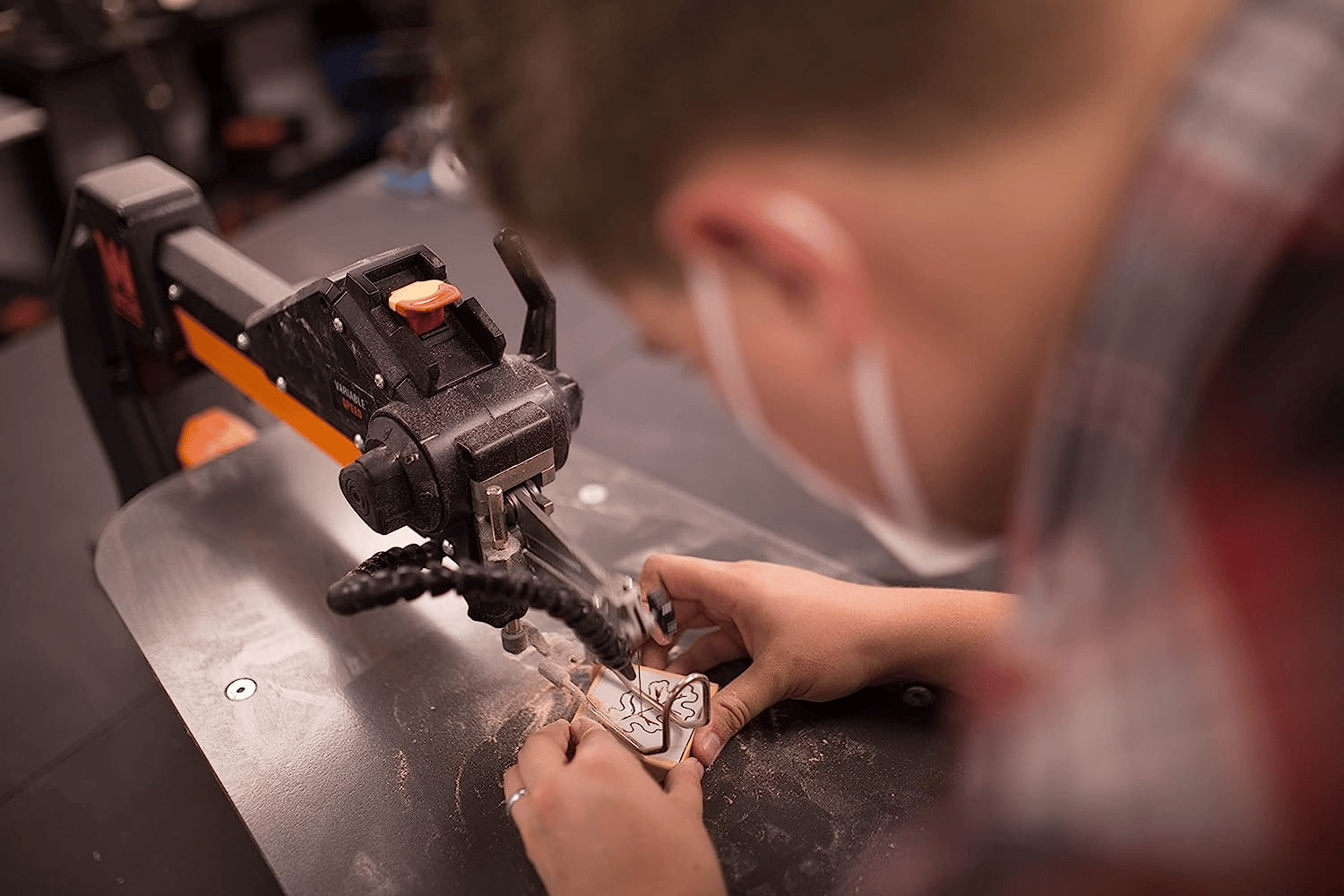
Throat length, the distance between the back of the scroll saw and the blade, is an important factor in determining the size of the material that can be worked with. Throat length is an important factor when it comes to working with wood. A longer throat length provides more space which allows for larger pieces of wood to be worked with.
When considering a scroll saw, look for one with a throat length that suits your specific needs and the types of projects you plan to create. Cutting capacity, the maximum thickness of wood that can be cut, is another factor to consider when choosing a scroll saw.
Additional Features and Accessories
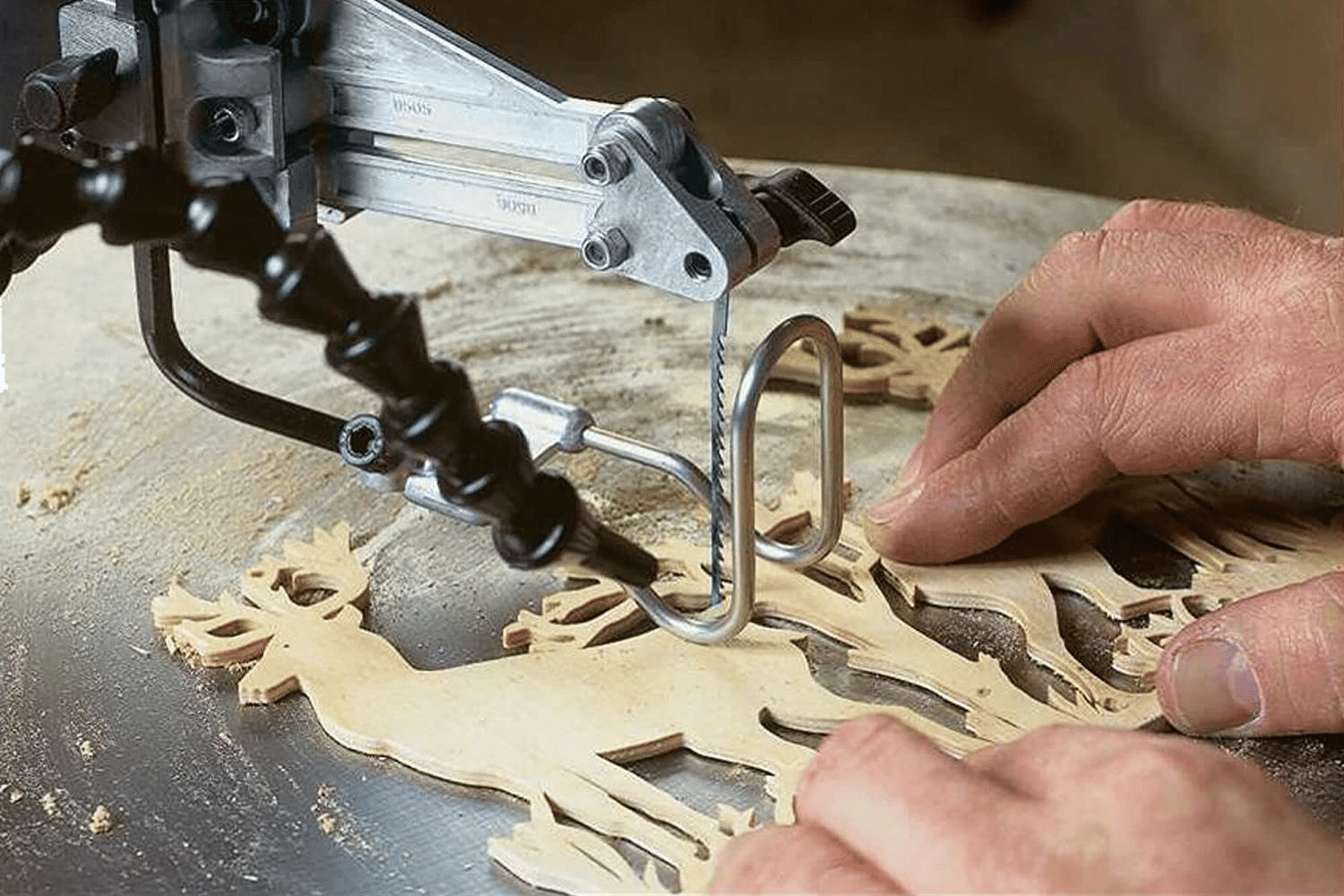
Extra features and accessories can greatly enhance the functionality and ease of use of a scroll saw. Some common additional features include top and bottom blade clamps for secure blade attachment, tension lever for easy blade tension adjustment, dust blower for a clear work area, and variable speed for greater control when cutting different materials.
When selecting a scroll saw, consider the available features and accessories, and how they can improve your woodworking experience and the quality of your projects.
Top Scroll Saw Recommendations
If you’ve gotten to this point and decided a scroll saw is right for your workshop, check out our reviews of the best scroll saw for different needs. Each of these saws offers a unique combination of quality, features, and user reviews, so consider your specific needs and budget when making your choice.
With the right scroll saw, your woodworking projects will come to life with precision and ease.
Final Thoughts
A scroll saw is an invaluable tool for any woodworker, offering precision and versatility for intricate cuts and a wide range of materials. By understanding its components, applications, and tips for effective use, you can make the most of this powerful tool and create stunning woodworking projects. Don’t forget to prioritize safety, choose the right blade for your needs, and invest in a scroll saw that meets your specific requirements and budget. With dedication and practice, you’ll soon master the art of scroll sawing and bring your woodworking dreams to life.