Exploring Belt Sander Uses – Woodworking Tasks and More

Welcome to our article exploring the versatile world of the belt sander. A belt sander is one of the most versatile woodworking tools, and understanding its capabilities can significantly enhance your woodworking and metalworking endeavors.
Whether you’re a seasoned craftsman or just beginning your DIY journey, learning about the practical applications of this sanding tool can help you achieve smoother, polished, and finely finished results.
In this article, we will delve into the fundamental aspects of belt sanders, explaining their components and working mechanism. We will discuss the different types of belt sanders available in the market and guide you on choosing the right one for your specific needs.
Moreover, we will explore common uses of belt sanders, such as smoothing rough edges, shaping wood surfaces, removing old finishes, and achieving a pristine finish. Beyond the basics, we’ll also uncover advanced applications, such as knife sharpening, metalworking, and sanding floors and decks.
So, let’s get started on this exciting journey of discovering the endless possibilities a belt sander can offer!

Understanding Belt Sanders
A belt sander is a powerful tool that simplifies the process of sanding and shaping various materials. To harness its full potential, it’s essential to understand its components, working mechanism, and the different types available in the market. Additionally, knowing the key features to consider when choosing a belt sander for your specific needs will ensure optimal performance and efficiency.
Components and Working Mechanism
A typical belt sander consists of several vital components that work in harmony to achieve effective sanding results. The main parts include:
Motor: The motor is the heart of the belt sander, providing the power needed to drive the sanding belt at high speeds.
Sanding Belt: The sanding belt is a continuous loop made of abrasive material. As the motor drives the belt, it rapidly rotates, making it ideal for material removal.
Tension Adjustment: This feature allows users to adjust the tension of the sanding belt, ensuring it stays taut and prevents slipping during operation.
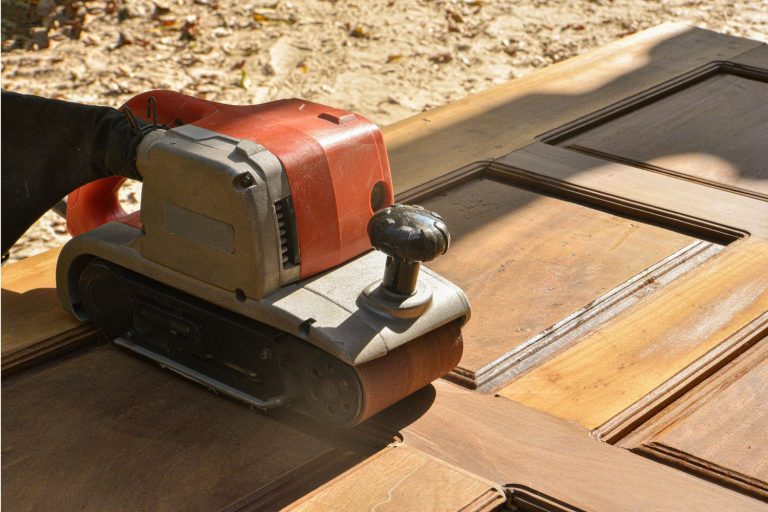
Tracking Knob: The tracking knob helps in aligning the sanding belt and keeping it centered on the sander’s rollers. Proper alignment ensures even wear and consistent results.
Dust Collection System: Many belt sanders come equipped with a dust collection system, which helps to minimize the amount of sawdust and debris generated during sanding, creating a cleaner and safer workspace.
Types of Belt Sanders
Belt sanders come in various types, each designed for specific applications. The primary types include:
Handheld Belt Sanders: These are compact and versatile sanders held by hand. They are ideal for smaller projects and precision sanding tasks.
Stationary Belt Sanders: Fixed to a workbench or a stand, stationary belt sanders are excellent for heavy-duty sanding and shaping of larger materials.
Cordless Belt Sanders: These portable sanders offer the convenience of mobility without the restriction of cords, making them suitable for on-the-go tasks.
Wide Belt Sanders: Typically used in industrial settings, wide belt sanders feature a large sanding surface, making them efficient for sanding large panels and boards.
Key Features to Consider
When choosing a belt sander, several key features should be taken into account to ensure it meets your specific requirements:
Power Rating: Consider the motor’s power rating, usually measured in amps or horsepower, as it directly affects the sander’s performance and material removal capacity.
Belt Size and Speed: The size and speed of the sanding belt determine the efficiency of the sander. For heavier sanding, a larger and faster belt may be preferred.
Adjustable Handles: Look for belt sanders with adjustable handles that provide comfort and control during prolonged use.
Dust Collection System: A built-in dust collection system reduces airborne particles and keeps your workspace cleaner.
Variable Speed Control: Some belt sanders offer variable speed settings, allowing you to adjust the sanding pace based on the material and task at hand.
Understanding the components, types, and features of belt sanders is essential in making an informed decision when purchasing or using one. Armed with this knowledge, you can confidently choose the right belt sander to tackle your woodworking or metalworking projects efficiently and achieve excellent results.

Common Belt Sander Uses
A belt sander is a versatile tool that finds numerous applications in woodworking, metalworking, and various other tasks. Let’s explore some of the most common and practical uses of a belt sander:
1. Smoothing and Shaping Wood Surfaces
One of the primary purposes of a belt sander is to smooth and shape wood surfaces effectively. Whether you’re working with rough lumber or need to create beveled edges, the rapid rotation of the sanding belt allows for efficient material removal. The belt sander’s large surface area covers more ground in less time, making it an ideal choice for leveling uneven wooden boards and creating smooth, uniform surfaces.
Moreover, belt sanders equipped with adjustable handles and tracking knobs provide greater control, enabling you to shape curves and contours with precision. From crafting intricate furniture pieces to basic DIY woodworking projects, a belt sander can significantly streamline the smoothing and shaping process.
2. Removing Paint, Stain, and Varnish
When you need to remove old finishes to refresh wooden surfaces, a belt sander comes to the rescue. Stripping old paint, stain, or varnish can be a laborious task, but a belt sander with its high-speed sanding belt simplifies the process. By rapidly sanding away the old finish, the belt sander prepares the surface for a new coat of paint or stain.
Additionally, belt sanders equipped with dust collection systems help contain the fine particles generated during sanding, ensuring a cleaner and safer working environment. Removing stains and old finishes is no longer a daunting chore with the power and efficiency of a belt sander.
3. Finishing and Polishing
Achieving a smooth and flawless finish is crucial in various woodworking and metalworking projects. After the initial sanding with coarser grits, a belt sander can be equipped with fine-grit sanding belts for finishing touches. The speed and precision of the sander allow for consistent and even finishing on large surfaces.
Furthermore, in metalworking applications, belt sanders equipped with metal polishing belts help achieve a shiny and polished look on metal surfaces, removing scratches and imperfections.
A belt sander is a valuable tool with a wide range of applications, from smoothing and shaping wood surfaces to removing old finishes and achieving impeccable finishes. Its power, efficiency, and versatility make it an indispensable addition to any workshop or DIY enthusiast’s toolkit. Whether you’re a seasoned professional or a hobbyist, a belt sander opens up a world of possibilities for enhancing your woodworking and metalworking projects with ease and precision.
Advanced Ways to Use a Belt Sander
Beyond the common applications we explored earlier, a belt sander proves its versatility by excelling in various advanced tasks. Let’s delve into some of the more specialized uses of this powerful tool:
1. Knife Sharpening and Tool Restoration
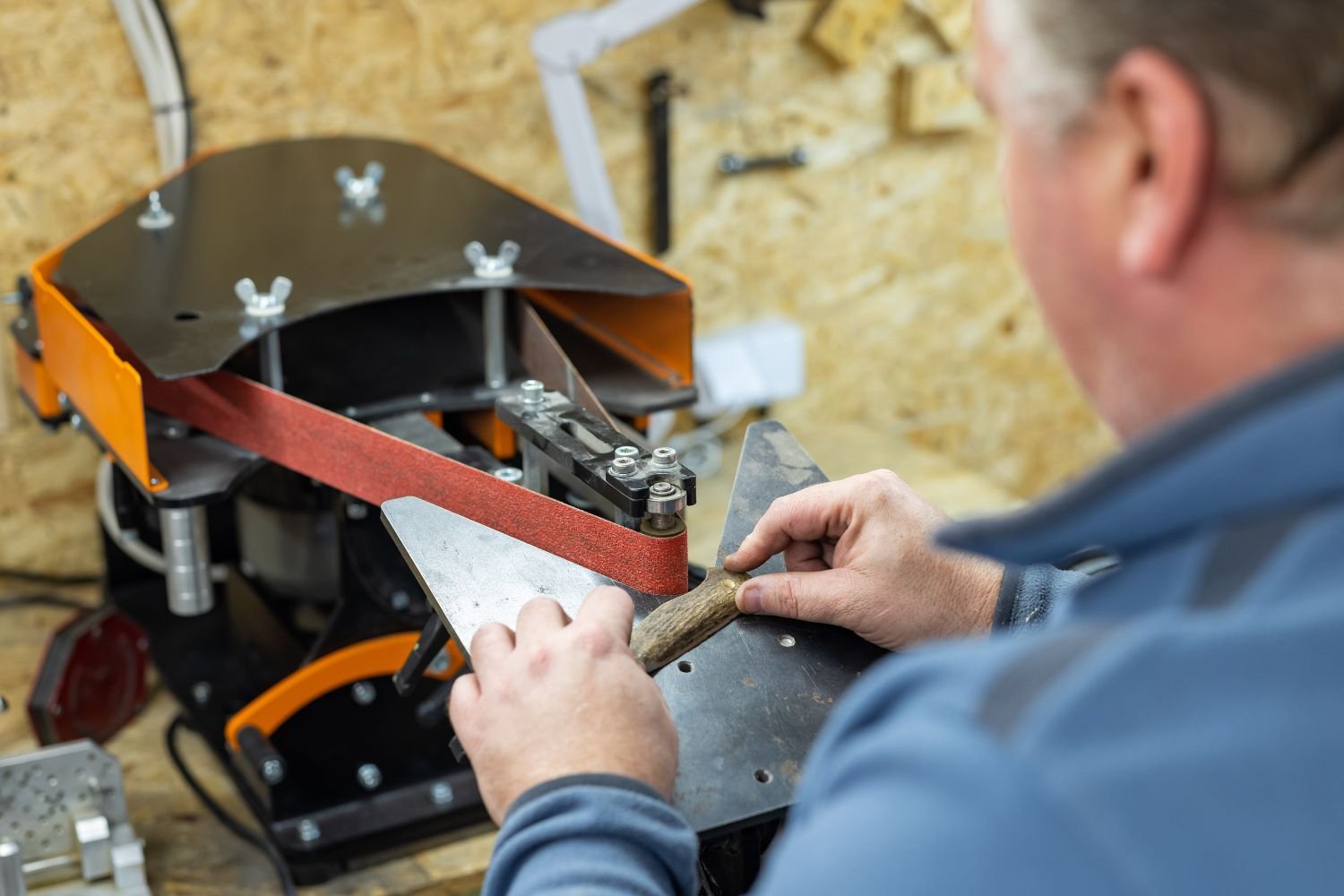
Surprisingly, a belt sander can be a game-changer when it comes to sharpening dull knives and restoring worn-out tools. With the right grit and technique, a belt sander can quickly remove material from the blade’s edge, honing it to a sharp and precise finish. However, it’s crucial to exercise caution and practice on expendable tools before attempting to sharpen valuable blades.
Moreover, belt sanders are incredibly effective in restoring old and rusty tools, such as chisels, scrapers, and hand plane irons. By skillfully maneuvering the tool across the sanding belt, you can eliminate rust, reshape the edges, and breathe new life into your trusty equipment.
2. Metalworking Applications
While belt sanders are synonymous with woodworking, they can also be used on metal. From removing rust and corrosion on metal surfaces to shaping and beveling metal objects, belt sanders can save significant time and effort compared to manual methods.
In metal fabrication and welding projects, belt sanders are instrumental in preparing metal surfaces for welding or painting. The high-speed sanding belt can efficiently clean and smoothen welds, ensuring a seamless and professional finish.
3. Sanding Floors and Decks
When it comes to renovating wooden floors or decks, a belt sander becomes an indispensable asset. Its robust motor and large sanding surface cover considerable ground, making it an efficient choice for sanding rough wooden areas.
Sanding hardwood floors before refinishing or applying a new coat of varnish is a breeze with a belt sander. It can tackle uneven spots, scratches, and imperfections, leaving behind a smooth and even surface.
For outdoor wooden decks exposed to weather elements, a belt sander can help remove old coatings, stains, and grime, giving the deck a fresh and rejuvenated appearance.
Remember to take necessary precautions and use appropriate grits for these advanced applications, as the power of a belt sander can remove material quickly, and careful handling is essential.
The advanced uses of a belt sander showcase its incredible adaptability across various tasks, from sharpening knives and restoring tools to tackling metalworking projects and rejuvenating wooden floors and decks. As you gain expertise in using this versatile tool, it opens up a whole new realm of possibilities, allowing you to achieve professional results in your diverse projects with ease and precision.
Final Thoughts
Exploring the world of belt sander uses has revealed the remarkable versatility and efficiency of this indispensable tool. From its fundamental applications in smoothing and shaping wood surfaces to removing old finishes with ease, a belt sander proves to be an invaluable asset in woodworking and DIY projects.
Furthermore, delving into the advanced uses of a belt sander showcased its ability to sharpen knives, restore worn-out tools, and excel in metalworking tasks, elevating its utility to a whole new level.
The power and precision of a belt sander make it a trusted companion for professionals and DIY enthusiasts alike. However, it’s essential to remember the importance of safety measures, such as using appropriate personal protective equipment and handling the tool with care.
As you embrace the knowledge of belt sander applications, you gain the confidence to tackle diverse projects, achieve impeccable finishes, and unleash your creativity with finesse. With its ability to save time and effort while delivering remarkable results, a belt sander undoubtedly remains an indispensable tool in any workshop or toolkit, enabling you to transform ordinary materials into extraordinary works of craftsmanship.