The Definitive Guide to the Orbital Sander

Welcome to our comprehensive guide on orbital sanders—a powerful tool that is indispensable in any woodworking project. This article will provide you with valuable insights into the world of orbital sanders and help you unlock their full potential.
Woodworking enthusiasts and professionals alike understand the vital role that orbital sanders play in achieving impeccable finishes. These versatile tools combine efficiency with precision, making them a must-have in any workshop. Whether you’re working on a small DIY project or tackling a larger-scale woodworking endeavor, an orbital sander can be your trusted companion.
One of the primary advantages of orbital sanders is their ability to remove material quickly and effortlessly. Thanks to their unique orbital motion, these tools excel at smoothing surfaces and eradicating imperfections, saving you time and effort compared to manual sanding. The orbital sanding action ensures a consistent, even finish across various materials, allowing you to achieve professional results with ease.
But that’s not all—orbital sanders are also renowned for their exceptional finesse when it comes to finishing touches. Whether you’re preparing wooden surfaces for staining, varnishing, or painting, these tools leave behind a smooth, polished surface that enhances the overall aesthetic appeal of your project. Say goodbye to uneven or rough surfaces; orbital sanders can transform them into works of art.
Throughout this comprehensive guide, we will delve into the nitty-gritty of orbital sanders, exploring their types, features, and essential techniques for optimal performance. I will share my extensive knowledge and experience, providing you with practical tips, insights, and expert advice to help you harness the full potential of these remarkable tools.
So, whether you’re a novice woodworker looking to expand your toolkit or an experienced craftsman seeking to refine your sanding techniques, this article will serve as your go-to resource. Get ready to uncover the secrets of orbital sanders and take your woodworking projects to new heights of excellence.
Key Takeaways
- Proper sanding techniques with an orbital sander include using light pressure, maintaining a consistent sanding motion, and progressing through different grits for optimal results.
- Regular maintenance of your orbital sander, such as cleaning and lubrication, ensures its longevity and optimal performance.
- Safety precautions, such as wearing protective gear and working in a well-ventilated area, are essential when using an orbital sander to protect yourself from dust and potential hazards.
- Orbital sanders are versatile tools that excel in various woodworking projects, including refinishing furniture, preparing surfaces for painting, and achieving smooth edges and curves.
Understanding Orbital Sanders
When it comes to sanding like a pro, you need to get acquainted with the trusty orbital sander. But what exactly is an orbital sander, and how does it differ from other sanders? Let’s break it down.
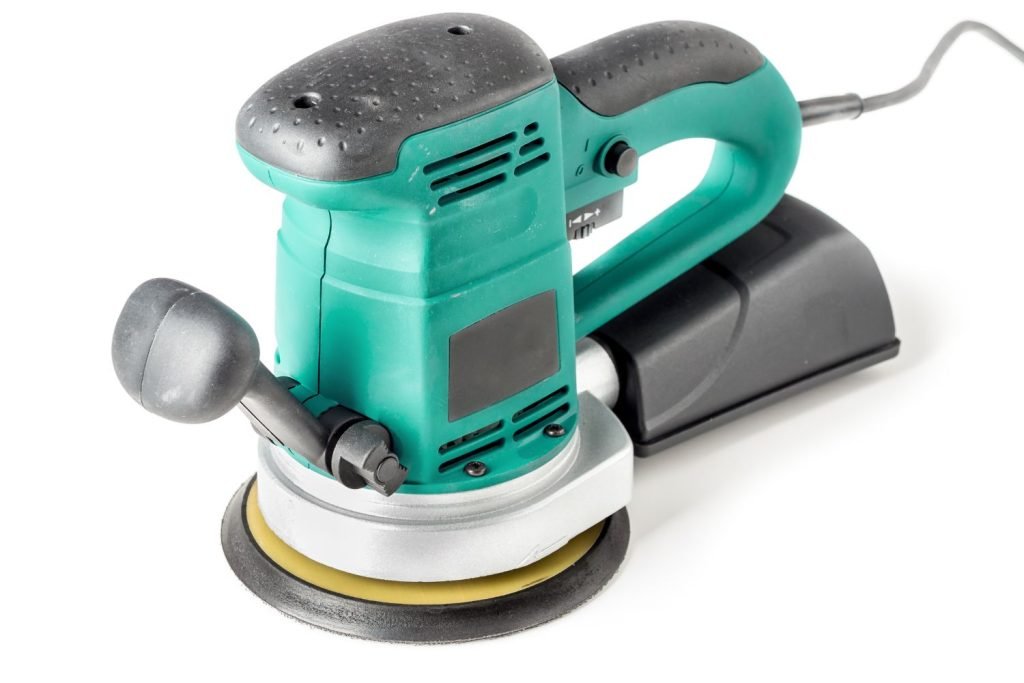
An orbital sander is a power tool designed to sand and smooth various surfaces, making it a go-to tool for woodworking enthusiasts and professionals. What sets it apart from other sanders is its unique sanding motion. Unlike a belt sander that moves in a continuous loop or a vibrating sander that oscillates back and forth, an orbital sander moves in a circular or elliptical pattern. This orbital motion reduces the risk of leaving visible sanding marks on your workpiece, giving you a consistently smooth finish.
Now, let’s take a closer look at the key components of an orbital sander:
- Motor: At the heart of every orbital sander lies its motor, which drives the sanding pad in its circular or elliptical motion. The power and efficiency of the motor play a crucial role in determining how effectively the sander removes material and delivers a smooth finish.
- Sanding Pad: The sanding pad, also known as the sanding plate, is the part of the orbital sander that comes into direct contact with the workpiece. It typically has a hook-and-loop (Velcro) or adhesive system for attaching sandpaper. The size of the sanding pad can vary, with common sizes being 5 or 6 inches in diameter. The larger the pad, the more surface area it can cover in each pass, making it suitable for larger projects.
- Dust Collection System: Dust is an inevitable byproduct of sanding, but fear not—orbital sanders come equipped with a dust collection system to help keep your workspace clean. This system may consist of a built-in dust bag or a connection port to attach a vacuum cleaner. Efficient dust collection not only improves visibility but also promotes a healthier working environment by minimizing airborne particles.
Now that we’ve covered the basics, let’s explore the different types of orbital sanders available:
- Random Orbital Sanders: This type of orbital sander combines both orbital and rotary motions, giving you a swirl-free finish. The sanding pad not only moves in a circular or elliptical pattern but also spins simultaneously. Random orbital sanders are highly versatile and suitable for various woodworking tasks, including sanding large surfaces, removing paint or varnish, and achieving ultra-smooth finishes.
- Palm Grip Sanders: As the name suggests, these orbital sanders feature a compact and ergonomic design that fits comfortably in the palm of your hand. They are perfect for precision sanding in tight spaces or on smaller workpieces. Palm grip sanders are ideal for detail-oriented tasks like refinishing furniture, sanding curved surfaces, or smoothing intricate designs.
Remember, each type of orbital sander has its own specific applications, so it’s essential to choose the one that best suits your project requirements.
Now that you have a solid understanding of what makes an orbital sander tick and the different types available, it’s time to roll up your sleeves and unleash the sanding prowess of these remarkable tools. In the next section, we’ll guide you through the process of choosing the right orbital sander for your needs, ensuring you’re well-equipped for your woodworking adventures.
Choosing the Right Orbital Sander
When it comes to selecting the perfect orbital sander for your woodworking needs, there are a few factors to consider. Let’s explore these factors to ensure you make an informed decision and find the sander that suits your projects like a glove.
- Power and Performance: The first thing to consider is the power of the orbital sander’s motor. A more powerful motor allows for efficient material removal and smoother sanding. Look for sanders with motors that provide sufficient power for the types of projects you typically undertake.
- Sanding Pad Sizes: Orbital sanders come with different sanding pad sizes, typically ranging from 5 to 6 inches in diameter. The size of the sanding pad affects how much surface area you can cover in each pass. Larger pads are great for larger projects, while smaller pads offer more control for intricate or detailed work. Consider the scale and nature of your projects to choose the appropriate sanding pad size.
- Variable Speed Control: The ability to adjust the speed of your orbital sander is a game-changer. Variable speed control allows you to adapt the sanding speed to different materials, project requirements, and personal preferences. Slower speeds are ideal for delicate sanding or working with softer woods, while higher speeds excel at rapid material removal. Having control over the sanding speed enhances your overall sanding experience and improves the quality of your results.
- Ergonomics and Comfort: Sanding can be a repetitive task, so it’s crucial to choose an orbital sander that feels comfortable in your hand. Look for sanders with ergonomic designs and features such as rubberized grips that reduce hand fatigue. Consider the weight and balance of the sander to ensure it’s easy to maneuver during extended sanding sessions.
- Dust Collection System: A good dust collection system is worth its weight in gold. Sanding generates a significant amount of dust, which can affect both your visibility and your respiratory health. Look for orbital sanders that have effective dust collection systems, whether they come with a built-in dust bag or have a port to connect to an external vacuum cleaner. Keeping your work area clean and minimizing airborne particles is essential for a healthy and enjoyable sanding experience.
By considering these factors, you’ll be well on your way to finding the orbital sander that meets your specific needs. Remember, the right orbital sander can make a world of difference in the efficiency and quality of your sanding projects.
So, whether you’re tackling a large-scale woodworking endeavor or focusing on delicate details, choose an orbital sander that offers the right balance of power, versatility, and comfort. In the next section, we’ll delve deeper into the essential features and functions of orbital sanders, helping you make an even more informed decision.
Essential Features and Functions
When it comes to orbital sanders, a few key features can significantly enhance your sanding experience and deliver top-notch results. Let’s explore these essential features and functions to help you make an informed choice when selecting an orbital sander.
- Dust Collection System: An effective dust collection system is a game-changer. Sanding generates a substantial amount of dust, which not only affects your visibility but also your respiratory health. Look for orbital sanders with robust dust collection systems, such as built-in dust bags or the ability to connect to external vacuum cleaners. A clean work area and reduced airborne particles will make your sanding sessions more enjoyable and healthier.
- Pad Brakes: Some orbital sanders come equipped with pad brakes, which are designed to minimize swirl marks when you lift the sander off the workpiece. This feature prevents accidental sanding marks and ensures a smoother finish. If achieving a flawless surface is a priority for you, consider an orbital sander with pad brakes.
- Vibration Reduction: Sanding for extended periods can lead to hand fatigue and discomfort. Look for sanders that feature vibration reduction technology to minimize the vibrations transmitted to your hand. Reduced vibrations translate to increased comfort, allowing you to work for longer periods without strain.
- Built-in Sanding Guides or Templates: Some orbital sanders offer built-in sanding guides or templates, which can be incredibly helpful for achieving consistent results. These guides ensure that you maintain the right sanding angle or follow a specific pattern, resulting in uniform and professional-looking finishes. If you often work on projects that require precise sanding, such as furniture refinishing or intricate woodworking, consider an orbital sander with this feature.
- Easy-to-Change Sandpaper: Sandpaper inevitably wears out, and being able to quickly and easily change it is crucial for uninterrupted workflow. Look for orbital sanders with convenient sandpaper changing mechanisms, such as hook-and-loop (Velcro) systems or tool-less designs. These features save you time and frustration, allowing you to swap sandpaper grits efficiently and get back to sanding in no time.
- Compatibility with Different Grit Sizes: Sandpaper comes in various grit sizes, each suitable for different sanding tasks. A good orbital sander should be compatible with a wide range of sandpaper grits, allowing you to tackle both coarse material removal and fine finishing work. Check the sander’s specifications to ensure it can accommodate the grit sizes you commonly use.
By paying attention to these essential features, you’ll be well-equipped to choose an orbital sander that meets your needs and takes your sanding projects to the next level. Remember, the right features can enhance your efficiency, comfort, and the quality of your results.
In the next section, we’ll dive deeper into the proper sanding techniques and tips that will help you maximize the potential of your orbital sander.

Proper Sanding Techniques
Now that you have your trusty orbital sander in hand, it’s time to dive into the art of sanding like a pro. Proper sanding techniques are key to achieving that flawless finish you desire. So, let’s walk through the steps for using an orbital sander effectively and safely.
- Safety First: Before diving into sanding, remember to prioritize safety. Wear protective gear such as safety glasses, a dust mask, and ear protection. Ensure you’re working in a well-ventilated area to minimize the inhalation of dust particles. Safety should always be at the forefront of your sanding sessions.
- Choose the Right Sandpaper: Selecting the appropriate sandpaper grit is crucial for achieving the desired results. Coarser grits (lower numbers) are suitable for material removal and smoothing rough surfaces. Finer grits (higher numbers) are ideal for achieving a smooth finish. Start with a coarser grit and gradually work your way up to finer grits for a polished result.
- Correct Sanding Motion: When sanding with an orbital sander, it’s important to move it in a back-and-forth or side-to-side motion parallel to the wood grain. Avoid applying excessive pressure, as the weight of the sander should do most of the work. Let the sander glide smoothly over the surface, allowing it to remove material evenly.
- Positioning: For best results, position the orbital sander so that it slightly overlaps the previous sanding area with each pass. This ensures consistent sanding and avoids creating visible lines or uneven surfaces. Keep the sander moving constantly to prevent sanding through the surface or causing heat buildup in one area.
- Gradual Progression: If you’re sanding a large surface or working with multiple grits, start with a coarser grit and gradually move to finer grits. Each grit should remove the scratches left by the previous one, resulting in a smoother surface with each progression. Take your time and be patient during this process to achieve optimal results.
- Common Mistakes to Avoid: When using an orbital sander, there are a few common mistakes to watch out for. Avoid tilting or angling the sander, as this can create uneven sanding marks. Similarly, applying too much pressure can result in gouging or uneven surfaces. Allow the sander to do its job with gentle, even pressure.
- Sanding Corners and Edges: Orbital sanders may have difficulty reaching corners and edges. To tackle these areas, you can use a sanding block or wrap sandpaper around a small piece of wood to manually sand those hard-to-reach spots. This ensures consistent sanding across the entire project.
By following these proper sanding techniques, you’ll be well on your way to achieving smooth and flawless finishes with your orbital sander. Remember to work patiently, pay attention to detail, and practice proper safety precautions throughout your sanding sessions.
In the next section, we’ll explore essential maintenance and safety tips to prolong the life of your orbital sander and ensure a productive and enjoyable sanding experience.
Maintenance and Safety
To keep your orbital sander running smoothly and ensure a safe working environment, it’s important to follow proper maintenance guidelines and practice essential safety precautions. Let’s dive into the world of orbital sander maintenance and safety.
Maintenance Guidelines
- Cleaning: Regularly clean your orbital sander to prevent dust and debris buildup. Disconnect the sander from the power source and use a clean, dry cloth to wipe off any accumulated dust. Pay special attention to the sanding pad and dust collection system, ensuring they are free from clogs or obstructions.
- Lubrication: Some orbital sanders may require periodic lubrication to maintain optimal performance. Check the manufacturer’s instructions to see if your sander needs lubrication and, if so, use the recommended lubricant in the specified areas. This helps reduce friction and prolong the lifespan of your sander.
- Replacement Parts: Over time, certain parts of your orbital sander may wear out and require replacement. Keep an eye on the sanding pad, dust collection bag, and any other components that may show signs of damage or deterioration. Replace worn-out parts promptly to maintain optimal performance.
Safety Precautions
- Protective Gear: Always wear appropriate protective gear when using an orbital sander. This includes safety glasses or goggles to protect your eyes from flying debris, a dust mask to prevent inhalation of dust particles, and ear protection to reduce noise exposure. Safeguarding yourself is essential for a safe and enjoyable sanding experience.
- Ventilation: Work in a well-ventilated area or use a dust extraction system to minimize airborne dust. Proper ventilation helps maintain air quality and reduces the risk of respiratory issues. If you’re working indoors, consider using a fan or opening windows to improve air circulation.
- Secure Workpieces: Ensure your workpieces are properly secured before sanding. Unsecured materials can shift or slip, leading to accidents or uneven sanding. Use clamps, vises, or other appropriate methods to hold your workpiece securely in place during sanding.
Tips for Prolonging Lifespan and Ensuring Optimal Performance
- Avoid Excessive Pressure: Let the weight of the orbital sander do the work. Applying excessive pressure can strain the motor and result in subpar sanding performance. Allow the sander to glide smoothly over the surface with gentle, even pressure for best results.
- Use the Right Sandpaper: Always use sandpaper suitable for orbital sanders and the specific task at hand. Using incompatible or worn-out sandpaper can lead to poor sanding results and premature wear on the sanding pad. Regularly inspect the sandpaper and replace it as needed for optimal performance.
- Store Properly: When not in use, store your orbital sander in a clean, dry area. Protect it from moisture, extreme temperatures, and dust accumulation. This helps prevent damage and ensures the sander is ready for action when you need it.
By following these maintenance guidelines, practicing essential safety precautions, and implementing tips for optimal performance, you’ll prolong the lifespan of your orbital sander while ensuring a safe and productive sanding experience.
In the next section, we’ll provide you with recommended projects and additional tips to help you maximize the potential of your orbital sander.

Recommended Projects and Tips
Now that you’re familiar with the ins and outs of orbital sanders, let’s explore some exciting woodworking projects where these versatile tools truly shine. From refinishing furniture to preparing surfaces for painting and everything in between, orbital sanders are here to make your projects a breeze.
- Refinishing Furniture: If you have a worn-out piece of furniture that could use a new lease on life, orbital sanders are your best friend. They excel at removing old finishes, such as paint or varnish, from wooden surfaces. With a combination of efficient material removal and smooth finishing, orbital sanders help you achieve that perfect foundation for refinishing. You’ll be amazed at how a little sanding can transform an old piece into a stunning centerpiece.
- Surface Preparation: Before painting or applying a new finish, proper surface preparation is crucial. Orbital sanders make this process quick and efficient. They help smooth out imperfections, such as rough spots or uneven surfaces, ensuring a clean canvas for your paint or stain. Whether you’re prepping walls, cabinets, or wooden crafts, an orbital sander is your go-to tool for achieving a smooth and uniform surface.
- Smoothing Edges and Curves: Orbital sanders are fantastic for achieving smooth, rounded edges and contours. They help you sand down rough edges or uneven surfaces, giving your projects a professional and polished look. Whether you’re working on curved furniture legs, intricate wooden carvings, or decorative pieces, orbital sanders provide the finesse you need for flawlessly smooth results.
Additional Tips and Techniques:
- Start with a coarser grit sandpaper for material removal and gradually progress to finer grits for a polished finish. For example, you might begin with 80 or 120-grit sandpaper and work your way up to 220 or 320-grit for a smooth surface.
- Sand in multiple directions, alternating between back-and-forth and diagonal motions, to ensure even sanding and avoid creating noticeable sanding patterns.
- Use light pressure and let the orbital sander do the work. Applying excessive pressure can lead to uneven surfaces or excessive material removal.
- Change sandpaper frequently, especially when it becomes clogged or worn. Fresh sandpaper ensures optimal sanding performance.
- Consider using sanding guides or templates for precise and consistent results. These handy accessories help you maintain the correct sanding angle or follow specific patterns.
When it comes to sandpaper selection, the grit and type depend on your project requirements:
- Coarser grits (such as 40 to 80) are ideal for heavy material removal, leveling uneven surfaces, or removing deep scratches.
- Medium grits (such as 100 to 150) are suitable for general smoothing and surface preparation.
- Finer grits (such as 180 to 320) are perfect for achieving a smooth finish and preparing surfaces for painting or staining.
Remember, orbital sanders are incredibly versatile, and their applications extend beyond the projects mentioned above. Whether you’re building custom cabinets, crafting wooden toys, or working on intricate scrollwork, orbital sanders are a valuable addition to your workshop.
Final Thoughts
With your newfound expertise, it’s time to embark on exciting woodworking adventures. From transforming old furniture to perfecting intricate details, your orbital sander will be your trusty companion throughout the journey.
Remember, practice makes perfect. As you continue to refine your sanding skills, you’ll gain confidence and develop your unique techniques. Don’t be afraid to experiment and explore new projects—your orbital sander is ready to unleash its full potential.
If you ever need a refresher or seek further inspiration, don’t hesitate to refer back to this guide or explore additional resources from reputable woodworking sources. The possibilities are endless, and your creativity knows no bounds.